How to Remove Adhesive From Walls

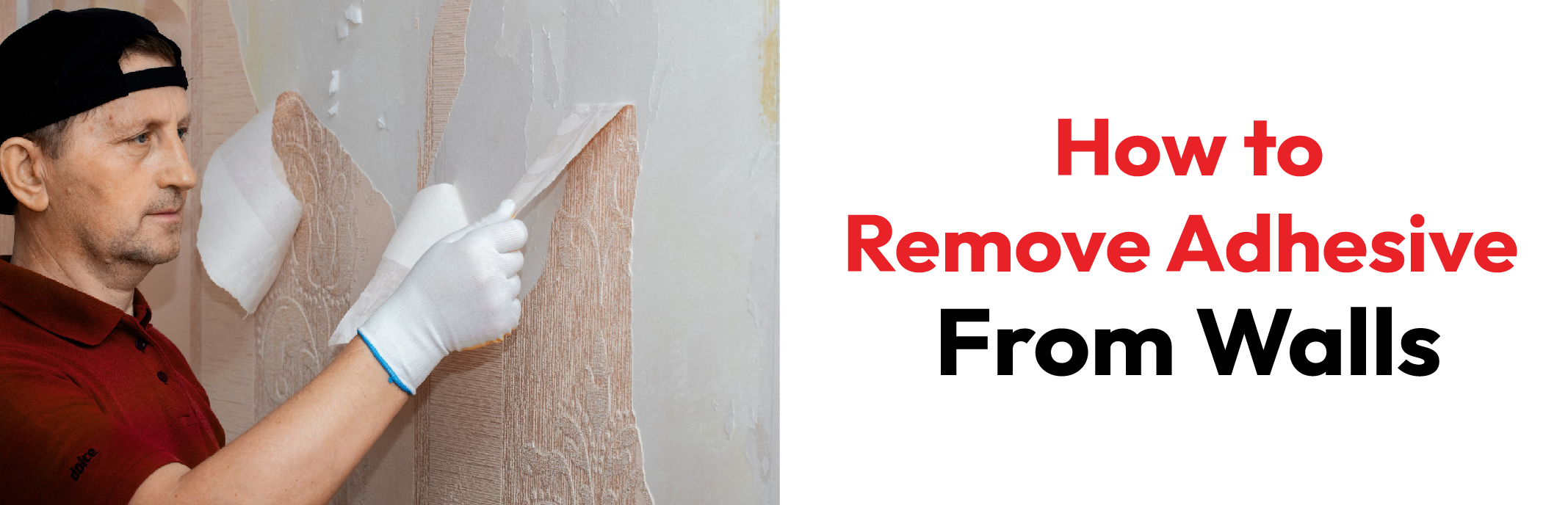
Getting things like wall decals, command strips, or tape off your walls usually feels like a win until you see that sticky, yellowish goo left behind. If you try to scrape it off with your fingernails or a random kitchen tool, you often end up peeling the paint right along with it. Knowing how to remove adhesive from walls without causing damage is a skill every homeowner or renter needs to keep their space looking clean and professional.
At M-Source, we deal with high-performance industrial adhesives and tapes every day. We know how strong these bonds can be, but we also know that with the right technique, you can remove adhesive from wall surfaces without turning a small cleanup into a full wall repainting project.
This adhesive guide will walk you through the best way to remove adhesive from wall areas using simple household items and a little bit of patience.
Identify Your Adhesive
Before you start scrubbing, you need to know what you’re up against. When you want to remove glue from wall surfaces effectively, identifying the type of bond is the first step. Not all "sticky stuff" is the same.
- Soft and Pliable: If it feels rubbery or moves when you touch it, it’s likely a rubber-based adhesive (like blue tack or mounting putty).
- Hard and Brittle: If it feels like a crusty shell, it’s likely a permanent glue or an old tape residue that has dried out.
- Thin and Tacky: This is your standard tape residue from clear tape or masking tape.
Knowing the difference helps you decide how to remove adhesives without wasting time on the wrong method.
Use the Finger Roll Method
Sometimes, the best tool you have is your own hand. This is often the first thing people try when figuring out how to get adhesive off wall paint without using chemicals. This works best for rubbery adhesives like mounting putty or the residue left by "sticky tack."
- Use the pad of your thumb or index finger.
- Apply firm pressure and rub the adhesive in a circular motion.
- The goal is to get 3m adhesives to stick to itself, forming little "pills" or balls.
- Once the balls are large enough, simply pick them off.
Why it works: The heat from your skin softens the glue, and the friction pulls it away from the paint without using any liquids.
Try the Hair Dryer Method
If the adhesive is stubborn or hardened, heat is your best friend. If you need to remove adhesive from wallpaint that feels bonded for life, heat works by "re-activating" the glue, making it soft and liquid again so it lets go of the wall.
- Set your hair dryer to a medium-high heat setting.
- Hold it about 6 inches away from the sticky spot.
- Warm the area for 30–60 seconds.
- Gently pry at the edge with a plastic scraper or an old credit card.
- As the adhesive softens, it should peel away in one piece.
M-Source Pro Tip: Never use a heavy-duty heat gun on a painted wall unless you are a professional. Heat guns get hot enough to blister and melt paint instantly. A standard hair dryer is much safer for home DIY.
Apply Soapy Water
For water-based adhesives or light residue from stickers, a simple mix of dish soap and warm water is often the best way to remove adhesive from wall areas that are sensitive to chemicals.
- Mix a few drops of grease-cutting dish soap into a bowl of warm water.
- Dip a soft cloth into the mix and wring it out so it’s damp, not dripping.
- Hold the damp cloth over the adhesive for a minute to let the moisture soak in.
- Gently rub the area in circles until the residue lifts.
- Dry the wall immediately with a clean towel.
Use Oil Based Solutions
If water doesn't work, you need something that breaks down the chemical bonds of the glue. Oils are fantastic for anyone wondering how to remove adhesive from walls. You can use baby oil, vegetable oil, or even coconut oil.
- Dab a small amount of oil onto a cotton ball or paper towel.
- Rub it onto the adhesive and let it sit for 5 to 10 minutes.
- The oil will penetrate the glue and break its grip on the paint.
- Wipe away the softened goo with a clean cloth.
- Important: Since you just put oil on your wall, you must clean the area afterward with soapy water to prevent an oil stain.
Clean with Rubbing Alcohol or Vinegar
When you wonder how to remove sticky adhesive that is very "gummy" and spreading around, you need a solvent to cut through the mess.
- White Vinegar: A natural, safe option for adhesive remove tasks. Soak a cloth in vinegar, hold it against the spot for a few minutes, and wipe.
- Rubbing Alcohol (Isopropyl): This is stronger. It works great for tape residue but use it sparingly.
Warning: Rubbing alcohol can dull the finish of certain paints (especially flat or matte finishes). Always test a small, hidden spot near the baseboard first to make sure it doesn't remove the color.
Commercial Adhesive Removers
Products like Goo Gone are popular because they are designed specifically for adhesive remove jobs. However, they are powerful chemicals and should be handled with care to protect your wall finish.
- Apply the liquid to a cloth first, not directly to the wall.
- Wipe the sticky spot gently.
- Wash the wall with soap and water immediately after the adhesive is gone to remove the chemical residue.
Note: Avoid using "Latex Paint Clean-up" versions of these products, as they are designed to remove paint!
Sanding as a Last Resort
If you are dealing with a permanent "super glue" or construction adhesive that has hardened like a rock, no amount of oil or heat will help you remove glue from wall surfaces easily. You will likely have to sand it down.
- Use a fine-grit sandpaper (220 grit or higher).
- Gently sand the bump until it is flush with the wall.
- This will remove the paint, so be prepared to do a small touch-up with a matching paint color and a small brush afterward.
Common Mistakes to Avoid
- Don't Use Metal Scrapers: A metal putty knife will gouge your drywall and scratch your paint. Always use plastic scrapers, old credit cards, or your fingernails.
- Don't Rush: Yanking a sticker off quickly is the opposite of how to remove sticker residue from wall without damaging paint. Go slow.
- Don't Use Acetone: While it dissolves glue instantly, it also acts as a paint stripper. It will leave a permanent "melted" look on your wall.
Frequently Asked Questions
Will WD-40 remove adhesive from walls?
Yes, WD-40 is an excellent tool to remove sticky adhesive. However, it is a very heavy oil. If you use it, you must be very diligent about cleaning the wall with a degreasing soap (like Dawn) afterward, or you will be left with a permanent grease mark that paint won't stick to.
How do I remove double-sided foam tape?
Foam tape is the hardest because it has two layers. The best approach for how to remove adhesive from walls involving foam is to use the heat method (hair dryer) to peel the foam away first. Then, use the oil method to clean up the sticky residue left behind.
Can I use Magic Erasers?
A Magic Eraser (melamine sponge) is essentially very fine sandpaper. It can work for light residue, but if you rub too hard, it will leave a "shiny" or "dull" spot on your wall paint.
Conclusion
Learning how to remove adhesive from walls doesn't have to be a disaster. The best rule to follow is to start with the gentlest method first. Try your fingers, then warm water, then heat, and only move to oils or solvents if you absolutely have to. By taking your time and being patient, you can remove adhesive from wall surfaces and keep them looking as good as the day they were painted.
Get the right supplies whether you’re looking for industrial-grade tapes that won't leave a mess or the best 3M supplies for your next project, M-Source is here to help.
Explore the M-Source 3M Collection for professional-grade adhesives and supplies.