

What are Adhesives Used for?

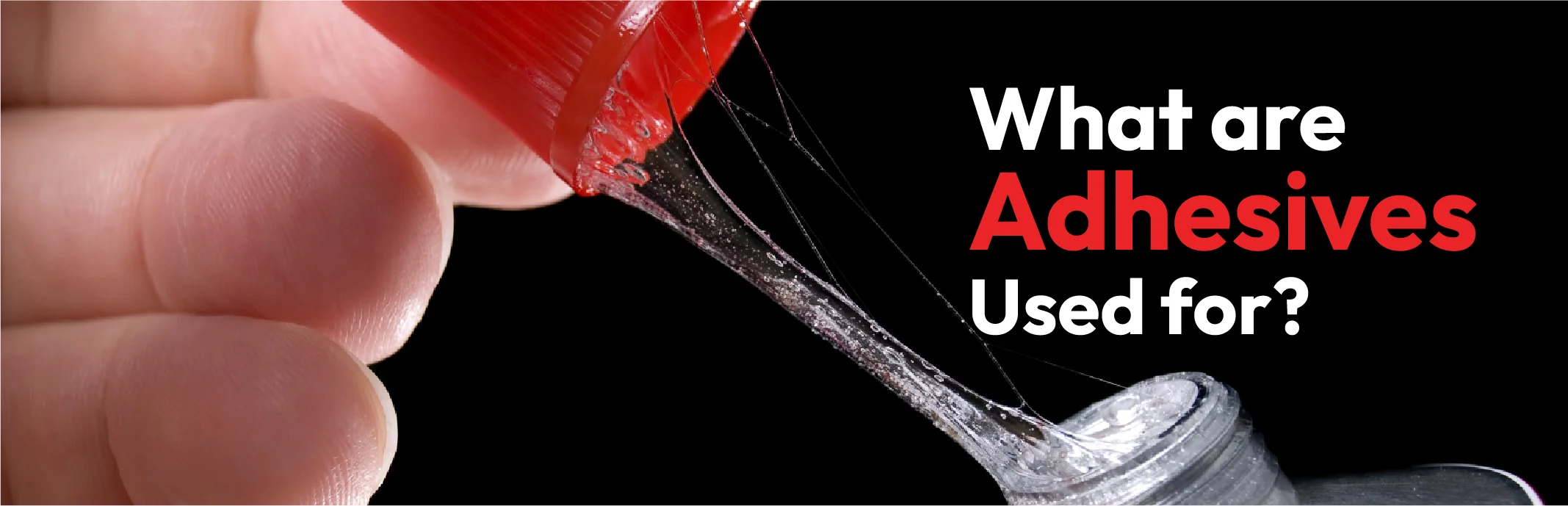
Have you ever stopped to look at the world around you and wondered how everything stays in one piece? From the shoes on your feet to the giant airplanes in the sky, there is a secret ingredient holding our world together. That ingredient is adhesives.
While most of us just call it glue, adhesives are actually high-tech tools used by doctors, builders, and scientists every single day. In this guide, we are going to explore what are adhesives used for and why they are so much better than using nails or screws. We will explain everything in simple words, just like we are talking to a friend!
What is an Adhesive?
To put it very simply, an adhesive is a sticky substance that helps two different things stay together. Think of it like a super bridge that connects two surfaces so tightly that they don't want to come apart. When businesses ask what are adhesives used for, the answer usually involves creating bonds that are stronger and more durable than traditional fasteners. If you are curious about what does adhesive do, its primary function is to join materials together by surface attachment.
Adhesives have two special powers that make them work:
- Adhesion: This is how well the glue grabs onto the surface of an object.
- Cohesion: This is how well the glue stays stuck to itself so it doesn't break in the middle.
When these two powers work together, you get a bond that is sometimes even stronger than the materials it is holding!
Natural Adhesives vs. Synthetic Adhesives
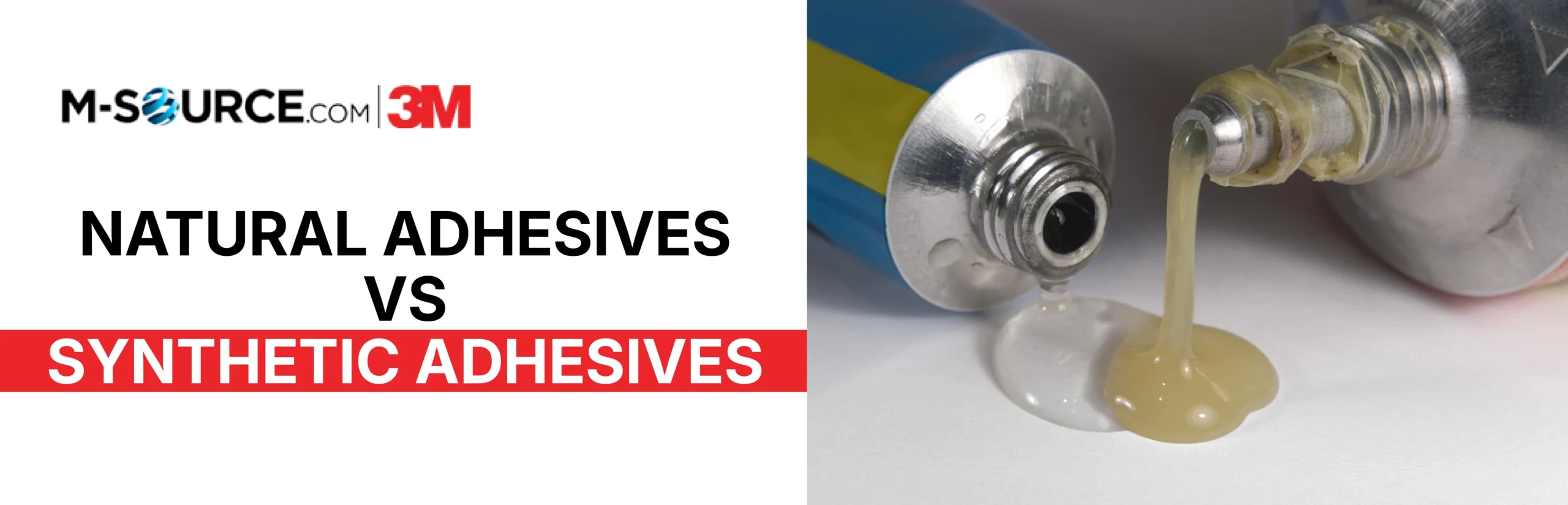
Not all glues are made the same way. Adhesive manufacturers usually group them into two big families:
Natural Adhesives
Natural bonds come from things we find in nature, like plants or animals. Long ago, ancient people made glue from tree sap or boiled animal skins. Today, we still use these for:
- The sticky part on the back of a postage stamp.
- Sticking labels onto glass bottles.
- Making the cardboard boxes that hold your favorite cereal.
Synthetic Adhesives
Synthetic bonds are made by people in laboratories using special chemicals and plastics. These are much stronger than natural glues and can last for a very long time. Most of the glues we use in schools, offices, and factories today are synthetic. When considering what are adhesives used for in high-tech industries, synthetic options are almost always the top choice.

The Different Types of Adhesives and Their Jobs
There are many different adhesive materials, and each one has a very specific job. Here are the most common ones you might see:

Epoxy Adhesives (The Heavy Lifters)
Epoxy adhesives are like a super-team. They are usually two-part adhesives, which means they come in two separate tubes or bottles. One is a resin, and the other is a hardener. When you mix them together, they start a chemical reaction that turns them into a rock-hard material.
- Best for: Fixing broken metal, repairing heavy stone statues, and even building parts for cars and boats.
Cyanoacrylate Adhesives (Super Glue)
You probably know this as Super Glue. Cyanoacrylate adhesives are well-known because they bond almost instantly. As soon as the glue touches a tiny bit of moisture in the air, it turns into a hard plastic.
- Best for: Fixing small things like a broken plastic toy or a ceramic plate. But be careful, it can stick your fingers together in a heartbeat!
Spray Adhesives (The Mist)
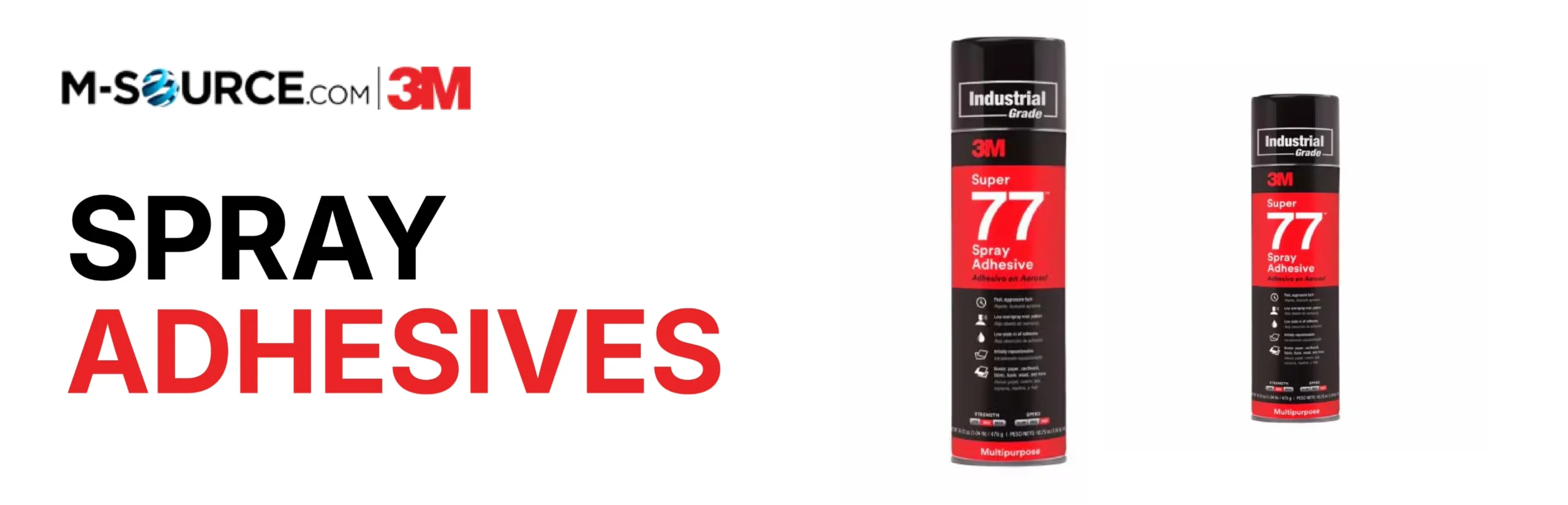
Spray bonds come in a can, just like hairspray. Instead of a thick glob of glue, they come out as a fine, even mist. This is great because it lets you cover a large area very quickly without making the material soggy or heavy.
- Best for: Arts and crafts, sticking posters to a wall, or attaching foam padding inside a car. Many professionals prefer 3M adhesives when they need a high-quality spray.
Contact Adhesives (The Immediate Bond)
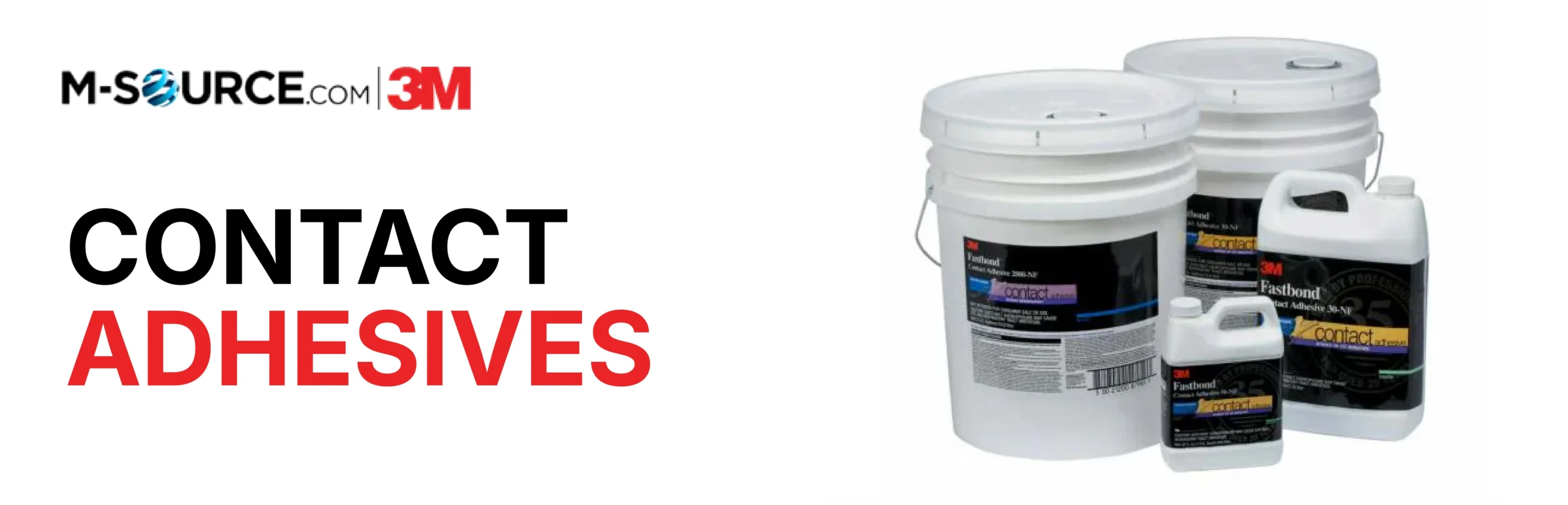
Contact adhesives are a little different. You put the glue on both things you want to stick together. You let the glue dry until it feels tacky (a little bit sticky), and then you press the two items together. The moment they touch, they are stuck forever!
- Best for: Sticking large sheets of wood to kitchen counters or fixing the rubber soles on your sneakers.
Carton Sealing Adhesives (The Package Protector)
If you have ever ordered something online, you have seen carton sealing adhesives. These are specially made to stick to cardboard boxes and stay strong even when the box is being moved around in a cold or hot delivery truck.
- Best for: Shipping boxes and making sure your packages don't open by mistake.
Why Use Adhesives Instead of Nails?
You might wonder, Why don't we just use a nail or a screw? While nails are great, industrial adhesives have some secret benefits:
- No Holes: You don’t have to drill holes into your materials, which keeps them strong and looking pretty.
- Lighter Weight: Glue weighs almost nothing compared to heavy metal bolts. This helps cars and planes use less fuel.
- Invisible: Once the pieces are stuck together, you can't see the glue at all. This makes things like furniture look much cleaner.
- Better Support: Instead of all the pressure being on one tiny screw, glue spreads the stress across the whole surface, making the bond very stable.
Adhesives in Our Daily Lives
If you look around your room right now, you see adhesives everywhere. Here are some uses of adhesive places you might not have noticed:
- Your Smartphone: Inside your phone, tiny bits of glue hold the screen, the battery, and the camera in place.
- Your Car: Modern cars are held together by more than just bolts. Adhesives make cars quieter and safer by sealing out noise and rain.
- The Doctor's Office: Did you know doctors sometimes use skin glue instead of stitches? It helps small cuts heal without leaving a big scar.
- Food Packaging: From the seal on your milk carton to the labels on your fruit, food-safe glues are everywhere in your kitchen.
How to Pick the Right Adhesive
Picking the right glue is like picking the right tool for a job. If you are still unsure what is adhesive glue used for in your specific situation, here is a simple way to choose:
- Check the Material: Is it wood, plastic, or metal? Some glues only work on specific things.
- Check the Weight: Does it need to hold something heavy (like a shelf) or something light (like a photo)?
- Check the Environment: Will it get wet in the rain? Will it be in the hot sun? You need a glue that can handle those conditions.
- Check the Time: Do you need it to stick in two seconds (Super Glue) or do you have time to let it dry overnight (Wood Glue)?
Conclusion
So, what are adhesives used for? They are used for almost everything that needs to stick together. Whether it's a simple school project or building a high-tech spaceship, adhesives provide the hidden bonds that make it all possible. From synthetic adhesives found in large factories to the natural glues on your envelopes, these sticky helpers are an important part of our everyday lives.
Contact M-Source today to find the perfect professional-grade adhesive for all your industrial and home repair needs!