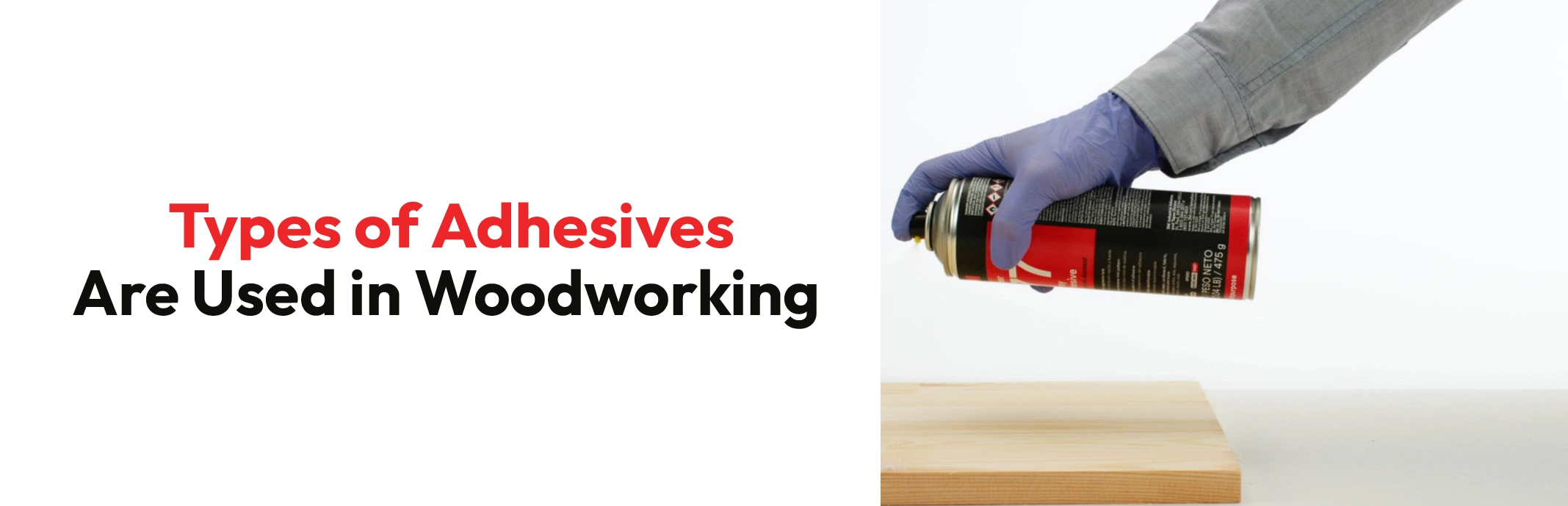
Types of Adhesives Used in Woodworking
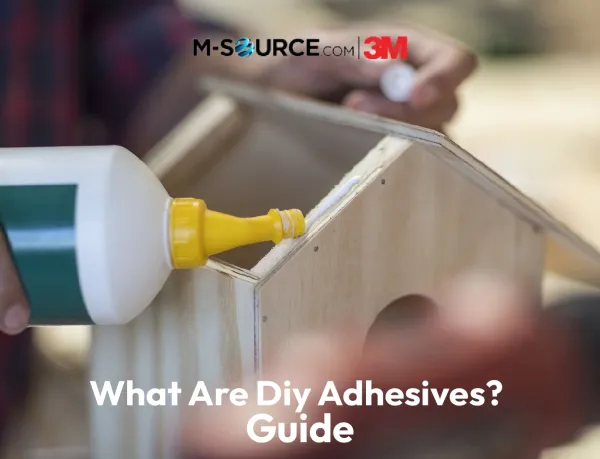
If you have ever tried to build a bookshelf, fix a broken chair, or make a picture frame, you know that nails and screws aren't always enough. Sometimes, you need a bond that is invisible but incredibly strong. That is where woodworking adhesives come in.
For beginners and even some seasoned DIY enthusiasts, the aisle of glues at the hardware store can be overwhelming. There are yellow bottles, white bottles, sprays, and hot melt sticks. Which one should you choose?
In this guide, we are going to break down everything you need to know about wood adhesive in very simple language. We will look into what these glues are made of, the different types of wood glue available, and how to choose the right one for your project.
What is Wood Glue Made Of?
Before we jump into the specific types of Adhesives, it helps to understand the "ingredients." So, what is wood glue made of?
Most modern wood adhesives are synthetic. This means they are chemicals made by humans to bond materials. The most common type you see in schools and workshops is made from a polymer called Polyvinyl Acetate (PVA). Think of PVA as a flexible plastic that is dissolved in water.
However, not all glues are synthetic. Some traditional glues, known as "hide glue," are actually made from animal collagen (hides and bones). While that sounds a bit old-fashioned, it is still used today for very specific applications, such as repairing antique furniture.
How Does Wood Glue Work?
You might wonder, how does wood glue work? Is it just sticky stuff that dries hard?
Actually, it is a bit more scientific than that, but the concept is simple. Wood is porous, meaning it is full of tiny holes and fibers, almost like a sponge. When you apply wet glue to wood, the liquid seeps deep into those tiny pores.
As the glue dries, usually because the water evaporates, it hardens and turns into a solid, plastic-like material. Because the glue is now embedded deep within the fibers of both pieces of wood, it functions like thousands of tiny anchors that hold the pieces together. In many cases, a good glue joint is actually stronger than the wood itself.
Different Types of Wood Glue
When looking for woodworking adhesives, you will find several distinct categories. Let’s break them down so you know exactly what to grab for your next project.
1. PVA Glue (Polyvinyl Acetate)
This is the standard wood glue. It usually comes in a yellow or white bottle.
- What it is: A water-based glue that is easy to clean up with water while it is still wet.
- Best for: General indoor woodworking, joining boards, and basic crafts.
- Pros: It is non-toxic, cheap, and dries clear or slightly yellow.
- Cons: It is not usually waterproof unless you buy a specific Type II or Type III water-resistant version.
2. Polyurethane Glue
You might recognize this by brand names like Gorilla Glue.
- What it is: A super-strong glue that is activated by moisture.
- Best for: Outdoor furniture or gluing wood to other materials like stone or metal.
- Pros: totally waterproof and very strong.
- Cons: It expands like foam as it dries, which can be messy. It also stains your hands easily and is hard to wash off.
3. Cyanoacrylate (CA Glue)
This is the technical name for "Super Glue."
- What it is: A fast-acting acrylic resin.
- Best for: Small repairs, filling cracks when mixed with sawdust, or temporarily holding pieces together while a stronger glue dries.
- Pros: Dries almost instantly.
- Cons: It can be brittle; it might crack if hit hard and isn't good for filling large gaps structurally.
4. Epoxy
Epoxy usually comes in two parts: a resin and a hardener that you have to mix together.
- What it is: A chemical hardener that creates a gap-filling plastic bond.
- Best for: Filling large gaps, gluing oily woods (like teak), or projects that need to withstand a lot of stress.
- Pros: Waterproof and incredibly durable.
- Cons: It takes a long time to dry (cure) and you have to mix it precisely.
5. Hot Melt Adhesives (Hot Glue)
This leads to a common question. Does hot glue work on wood? The short answer is yes. It works well. However, it works differently than the wet glues mentioned earlier.
Hot Glue for Wood: Speed and Efficiency
While traditional glues need hours to dry, hot glue for wood offers speed. Hot melt adhesives are solid sticks of thermoplastic that melt when heated in a gun and solidify as soon as they cool down.
Wood glue vs hot glue: what is the difference?
- Wood Glue (PVA): It takes 30 minutes to clamp and 24 hours to cure. It forms a chemical bond deep in the fibers.
- Hot Glue: Sets in seconds. It creates a mechanical bond by cooling down and hardening around the surface fibers.
Hot glue is great for:
- Jigs and Fixtures: Holding pieces of wood in place for a short time while you screw them together.
- Assembly: Quickly putting together lightweight drawers, boxes, or crafts when clamping isn't an option.
- Gap Filling: Since it is thick, it fills gaps better than thin PVA glue.
If you are looking for a reliable hot melt solution for your workshop, we highly recommend the 3M™ Hot Melt Adhesive 3792 AE Clear.
This specific adhesive is excellent for woodworking because it is clear and multi-purpose. It bonds effectively to wood, particle board, and even lightweight corrugated cardboard. Because it sets quickly, you don’t have to sit around waiting for clamps to do their job. It comes in a bulk 11 lb case, making it perfect for production shops or serious hobbyists who need a reliable, clear bond for furniture assembly or upholstery framing.
How to Use Wood Glue Correctly
Even the best wood adhesives will fail if you don't use them right. Here is a simple step-by-step guide on how to use wood glue for a lasting bond.
Step 1: Prepare the Surface
Glue cannot stick to dust, oil, or old paint. Make sure your wood is clean and dry. If the wood is extremely smooth or shiny, you might want to sand it lightly with rough sandpaper to rough up the fibers. This gives the glue something to "grab" onto.
Step 2: Apply the Glue
Don't drown it! You want a thin, even coat.
- For PVA: Squeeze a bead of glue onto one piece of wood. Use a brush, a silicone spreader, or even your finger to spread it out until it covers the surface.
- For Hot Glue: Apply a steady stream and press the pieces together immediately before it cools.
Step 3: The Clamp
This is the most important step for wet glues. Because PVA and Polyurethane need time to soak in and harden, you must clamp the two pieces of wood together tightly.
- Why clamp? It forces the glue deep into the pores and ensures there are no gaps.
- How long? Usually, you need to keep clamps on for at least 30 minutes to an hour. For the full strength, leave the joint alone for 24 hours.
Pro-Tip: If you are using hot glue for wood, you generally don't need clamps. You just hold it with your hand for about 30 to 60 seconds until it cools. This makes hot glue amazing for attaching decorative trim where clamps would be clumsy or hard to place.
Step 4: Clean Up the "Squeeze Out"
When you clamp wood, some glue will squeeze out of the crack.
- Wet Glue: Wipe it off immediately with a damp rag. If you let it dry, it will leave a hard lump that won't take stain or varnish later.
- Hot Glue: Let it cool slightly until it is rubbery, then peel it off with a chisel or knife.
Choosing the Right Glue for the Job
To wrap things up, let's look at a quick comparison to help you decide.
- Building a dining table? Use PVA Wood Glue. It is strong and gives you time to align the legs correctly.
- Fixing a broken piece of outdoor patio furniture? Use Polyurethane or Epoxy. They can handle the rain and sun.
- Attaching trim, assembling drawers quickly, or doing crafts? Use Hot Melt Adhesive like the 3M™ 3792 AE Clear. It is fast, clear, and holds tight.
- Fixing a hairline crack in a vase or small wood ornament? Use Cyanoacrylate (Super Glue).
H2 Conclusion
Woodworking is a rewarding skill. The strength of your project depends a lot on the adhesives you choose. Whether you use traditional yellow glue for a slow, strong bond or modern hot melt adhesives for faster results, understanding how wood glue works helps you build better and faster.
Remember, there is no single "best" glue for every situation. A well-stocked workshop should probably have a bottle of PVA for the main joints and a hot glue gun for quick fixes and jigs. By matching the adhesive to the application, your projects will stand the test of time.
Need reliable adhesives for your next project? Check out the 3M™ Hot Melt Adhesive 3792 AE Clear at m-source today.