Bonding Methods in Abrasive Tools

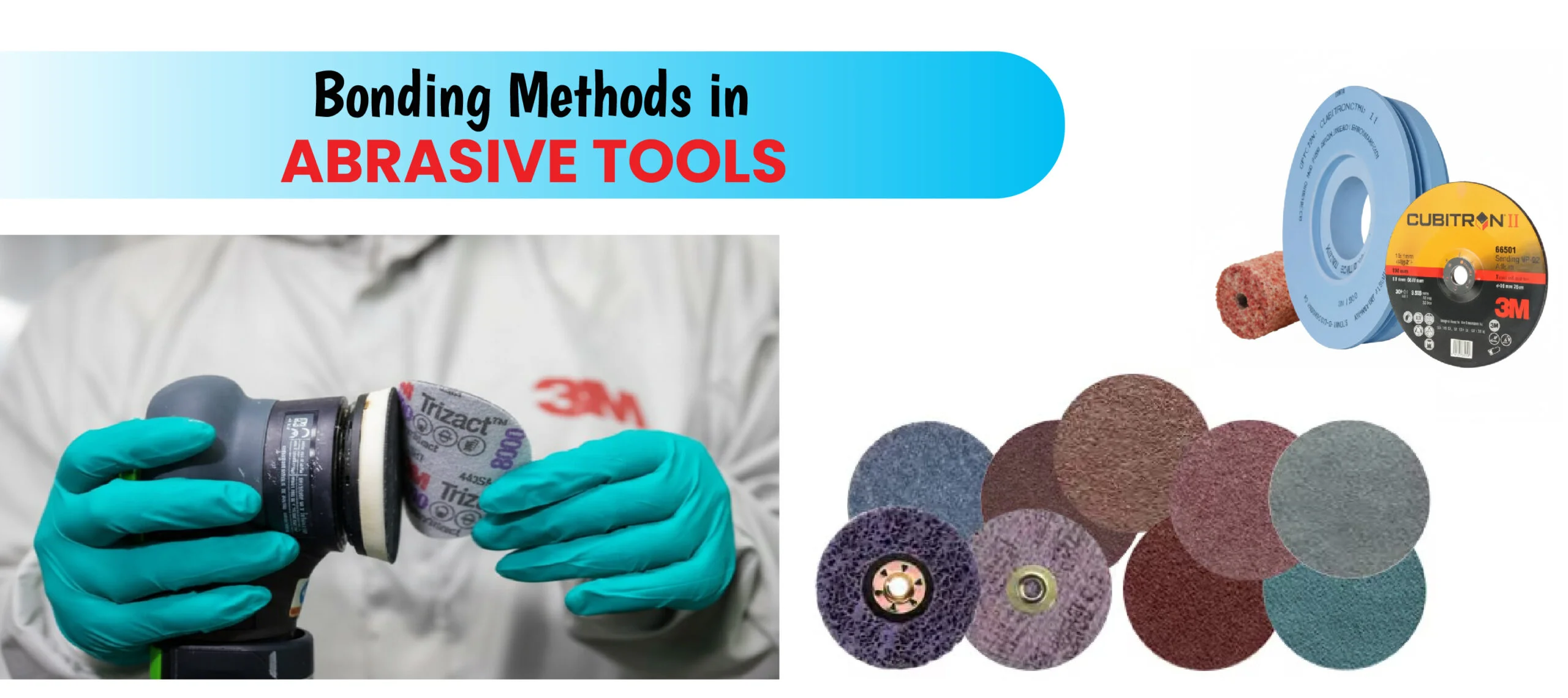
Have you ever wondered what holds a grinding wheel or a cutting disc together? You see it spinning at incredible speeds, cutting through hard steel, and it doesn’t fly apart. The secret isn't magic; it's the bond. Think of it as the super-strong glue in a secret recipe. If you’ve ever asked what is the material called that holds abrasive wheels together, the answer lies in the specialized bonding agents used during manufacturing. Understanding the different bonding methods in abrasive tools is the key to choosing the right tool for any job, ensuring you get a clean, efficient, and safe result every time.
At its core, every abrasive tool is made of two main parts: the abrasive grains that do the actual cutting, and the bonding material that holds those grains in place. The process of mixing and curing them is what we call the abrasive bonding methods. This is incredibly important because the bond determines how the tool will behave, how strong it is, how well it handles heat, and how it wears down. This bonded abrasives guide will help you navigate these choices.
The Main Types of Bonds in Abrasive Tools
There isn't just one type of "glue" used in bonded abrasives. Different jobs require different kinds of strength, flexibility, and heat resistance. That’s why manufacturers use several different bonding methods in abrasive products to effectively bond abrasives for industrial use. Let’s look at the most common ones.
1. Vitrified Bond (V)
The most common type of bond, it is basically a type of glass. The abrasive grains are mixed with special clays and other materials, molded into shape, and then fired in a huge oven at very high temperatures. This process melts the clay mixture, which then cools to form a strong, rigid, glass-like structure that holds the grains tightly.
- What it's good for: Because it's so hard and rigid, a vitrified bond is perfect for jobs that require high precision. It doesn't flex or bend, so it creates very accurate shapes. The tiny pores created during firing also help to carry away heat and material, which gives you a cooler, cleaner cut. This is why you'll find it in most grinding wheels used for sharpening tools or surface grinding.
- Keep in mind: This hardness also makes it brittle. If you drop a vitrified wheel or hit it too hard, it can crack or shatter.
2. Resin Bond (B)
Also called a resinoid bond is made from synthetic organic resins, which are basically a type of high-strength plastic. The abrasive grains are mixed with either a liquid or powdered resin, pressed into shape, and then baked at a much lower temperature than ceramic bonds.
- What it's good for: Resin bonded abrasive tools are tougher and less brittle than vitrified ones. They can handle a lot more shock and are great for jobs that involve heavy pressure and high speeds. This is the bond you’ll find in cutting discs for metal (what people often call "cutoff wheels"), portable grinding wheels, and sanding discs. These bonded abrasive products offer a great balance of cutting speed and tool life. You'll often see these used for jobs that require fast and even cut abrasives. This same technology is applied to specialized tools, such as in grinding mop bonding, where flexibility and durability are required for finishing.
- Keep in mind: While they are tough, resin-bonded tools are not as heat-resistant as vitrified ones. Too much heat can cause the bond to soften, which will wear the tool down faster.
3. Metal Bond (M)
For the toughest jobs, you need a metal bond. In this method, the abrasive grains (usually superabrasives like diamond or CBN) are mixed with metal powders. This mixture is then heated under immense pressure until the metal particles fuse, trapping the abrasive grains in a solid metal matrix.
- What it's good for: A metal glue is extremely strong and wears down very, very slowly. This makes it perfect for cutting or grinding extremely hard materials like concrete, stone, tile, and advanced composites. Diamond saw blades are a perfect example of abrasive products bonding with metal.
- Keep in mind: Because the bond is so tough, it doesn't wear away easily to expose new, sharp abrasive grains. This means it cuts slower than other bonds. It also doesn't handle heat well on its own and almost always needs water or another coolant to prevent overheating.
4. Hybrid Bonds and Other Types
As technology improves, manufacturers are now creating hybrid bonds. These are special recipes that combine different types of bonding materials, like resin and metal, to get the best qualities of both. These advanced bonding methods in abrasive tools are designed for very specific, high-tech applications.
You might also hear about rubber and shellac bonds. These are softer, more flexible bonds used for very fine finishing and polishing work, where you need a mirror-like finish without removing a lot of material. For instance, deburring grinding disc bonding often utilizes these unique properties to ensure sharp edges are smoothed without damaging the workpiece.
How bonding affects performance and heat resistance
The choice between different bonding methods in abrasive tools has a massive impact on how they perform. It’s not just about holding the grains; the bond is an active part of the cutting process.
Performance is all about how the tool cuts and how long it lasts.
- A harder bond, like vitrified bond, holds onto the abrasive grains for a long time. This is great for grinding softer materials because the grains stay sharp for a while. However, if you use it on very hard material, the grains will get dull but the bond won't release them, causing the tool to stop cutting effectively.
- A softer bond, like a resinoid bond, wears away more easily. This sounds like a bad thing, but it’s actually perfect for grinding hard materials. As the abrasive grains get dull, the bond releases them, exposing fresh, sharp grains underneath. This self-sharpening action is what allows for fast, aggressive cutting.
Heat resistance is another critical factor determined by the bond. Grinding and cutting generate a significant amount of friction, resulting in substantial heat.
- Ceramic bonds are excellent at handling high temperatures because they are essentially glass. They don’t melt or soften easily.
- Resinoid bonds are less resistant to heat. If they get too hot, the resin can start to break down, causing the tool to wear out very quickly. This is why you shouldn't push a cutoff wheel too hard for too long.
- Metallic bonds transfer heat very quickly. Without a coolant like water to dissipate the heat, both the tool and the material being cut can be damaged.
Conclusion
So, how do you pick the right tool? Think about three things:
- What material are you working on? For hard metals, you might want a softer resin bond that self-sharpens. For precision tool steel, a hard ceramic bond is better. For concrete, it has to be a metal bond.
- What is the application? Are you doing rough cutting or fine finishing? For fast cutting, a resin bonded abrasive is great. For a smooth, precise finish, a vitrified wheel is ideal.
- What machine are you using? High-speed machines work best with resin bonds, while slower, stationary grinders are often designed for vitrified wheels.
Understanding the different bonding methods in abrasive materials is the first step to better results. When you know why a tool is made a certain way, you can use it more effectively and safely, saving time and money in the long run.