What are Silicone Lubricants?

- Advantages of Silicone Lubricants:
- Disadvantages of Silicone Lubricants:
- Silicone Lubricant vs Petroleum Lubricant
- When to Use Silicone Lubricants
- Industrial Silicone Lubricants from M‑Source
- Silicone Grease Applications
- Is Silicone Lubricant Safe for Rubber?
- Industrial Benefits & Stats
- Choosing the Right Lubricant
- Silicone Grease vs Silicone Lubricant
- Where Silicone Oils Work Best
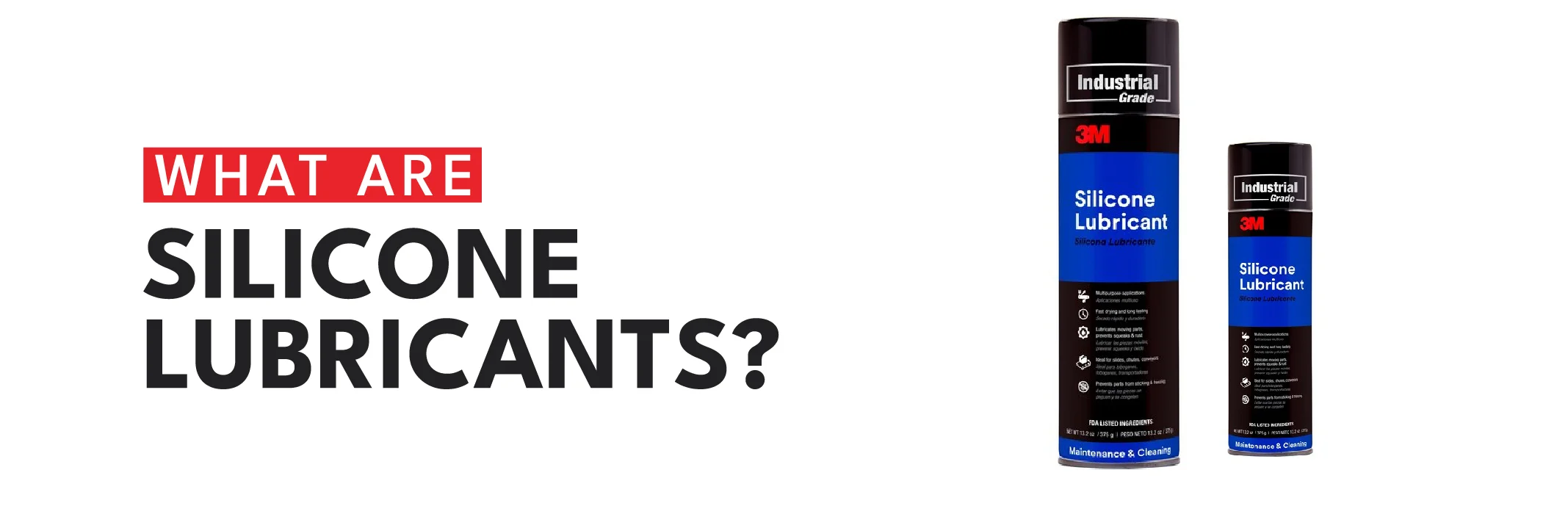
Silicone oils, typically polydimethylsiloxane (PDMS), are used to create silicone lubricants, which are then often thickened into greases for specific applications. From as cold as 28°F to as high as 350°F, these transparent, inert chemicals provide exceptional lubrication, thermal stability, and chemical resistance. For your mechanical systems, M-Source offers a variety of industrial silicone lubricants, including silicone grease, gels, and sprays.
Advantages of Silicone Lubricants:
What is Silicone Oil for Thermal & Oxidation Stability:
Compared to organic oils, silicone oils are more resistant to oxidation and can tolerate large temperature fluctuations.
Wide Operating Range
Even at -28°F, dry-type formulas continue to work well.
Up to 350°F is tolerated by both wet and dry varieties.
Inert & Non-reactive
Because silicone doesn't contain any hazardous byproducts, it's perfect for handling food, delicate equipment, and sterile settings.
Smooth Spread & Dielectric Properties
The silicone grease functions as an excellent silicone grease for mechanical parts and electrical insulation, and the low-viscosity oils spread readily across tight tolerances.
Disadvantages of Silicone Lubricants:
Lower Load Capacity
Silicone lubricants may withstand less mechanical stress than heavy organic oils; they are nevertheless suitable for plastic-metal systems but are not the best for heavy machinery.
High Cost
In general, specialty silicone formulae are more expensive than their petroleum-based counterparts.
Silicone Rubber Incompatibility
Ensure the material is compatible, as silicone for rubbers can expand or degrade, even if they work well with most rubbers.
Silicone Lubricant vs Petroleum Lubricant
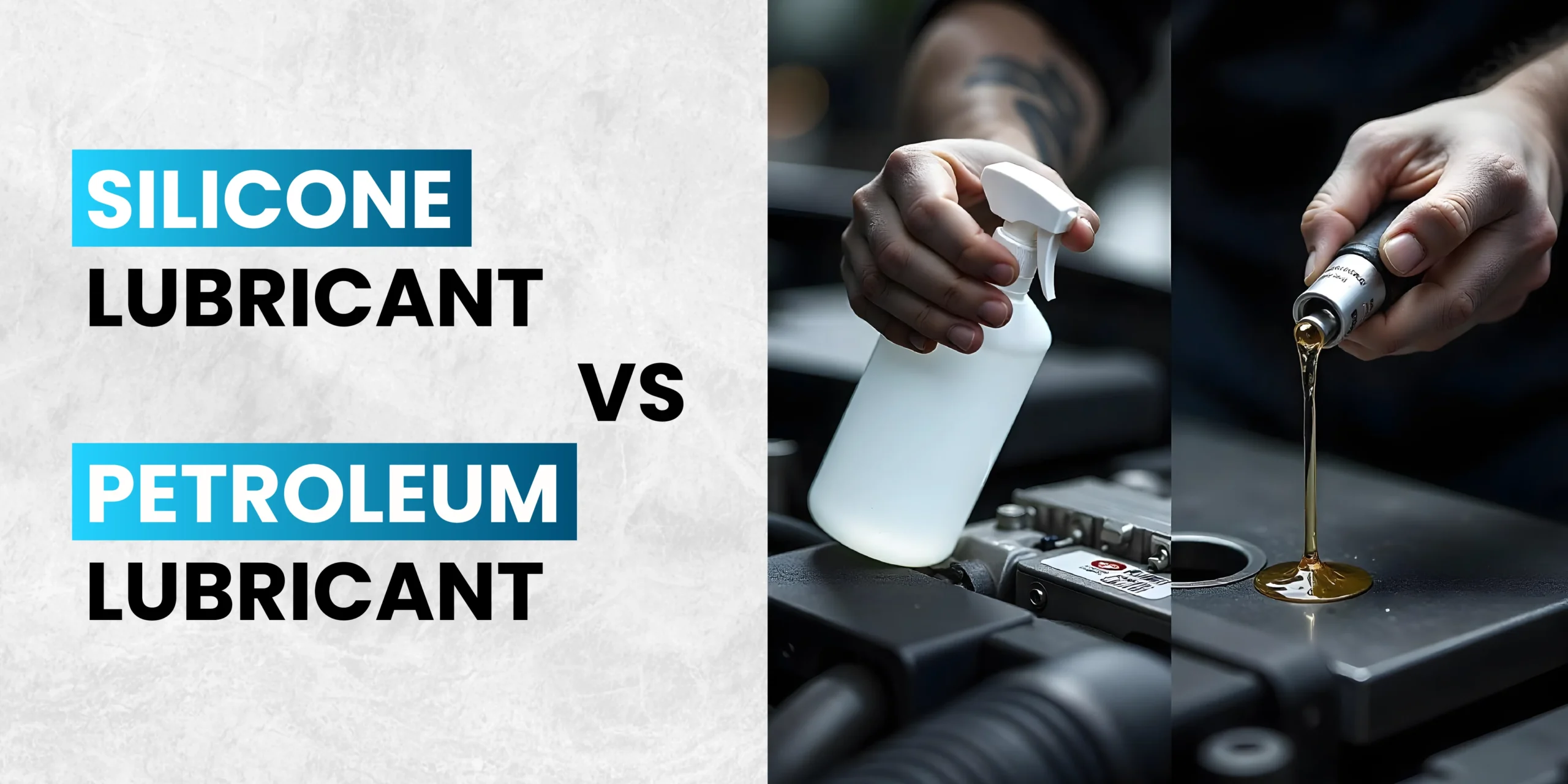
| Feature | Silicone Lubricant | Petroleum Lubricant |
| Temperature Stability | −28 °F to 350 °F | Narrower T-range |
| Chemical Inertness | Highly inert, non-reactive | Can oxidize, leave residues |
| Rubber Compatibility | Safe for many rubbers; avoid silicone OEM | Can dissolve certain rubbers |
| Electrical Properties | Excellent dielectric insulation | Poor insulator, may conduct |
In harsh conditions, dielectric requirements, or situations that require long-term stability, silicone oils outperform petroleum-based lubricants.
When to Use Silicone Lubricants
For mechanical parts: Ideal for applications that require smooth motion and broad temperature tolerance, such as switch assemblies, desktop mechanisms, conveyors, and faucets.
Electrical connectors: To maintain electrical insulation and prevent corrosion, apply silicone grease to wire boots and plug connections.
Medical or food equipment: Inert silicone lubricants are hygienic and resistant to chemical cleansers.
Low-load equipment: Excellent for slides, gear trains, and bearings, particularly in areas where petroleum would degrade.
Industrial Silicone Lubricants from M‑Source
M-Source offers a large selection of silicone-based goods, such as:
- Silicone grease (thickened oil), perfect for corrosion prevention and dielectric sealing
- 3m silicone spray dry vs wet lubricants for sliding mechanisms, gates, and conveyors.
- Silicone oil-based gels are ideal for intricate cable construction or wire pulling tasks.
- Our industrial silicone lubricants meet 3M's stringent requirements for long-term stability, non-reactivity, and a wide temperature range.
Silicone Grease Applications
- Electrical connectors and spark-plug boots with dielectric insulation
- Rubber seal protection (apart from OEM silicone components)
- Due to their superior lubrication and corrosion resistance, graisse silicone applications are frequently used in laboratory and plumbing seals.
- Mechanical connections where low-friction, smooth motions are essential
Is Silicone Lubricant Safe for Rubber?
Yes, but be careful. Silicone grease preserves the majority of rubbers and plastics without swelling or softening. They should not be used on silicone rubber O-rings, though, since they may deteriorate if exposed to incompatible silicones.
Industrial Benefits & Stats
- Studies indicate that silicone lubes have a useful lifespan that is more than 50% longer in heat and cold cycling, and are more resistant to oxidation than petroleum oils.
- Non-staining, appropriate for use on upholstery and textiles
- Silicone based lubricant for rubber seals that are resistant to temperature guarantee constant torque and keep materials from breaking down throughout the year.
Choosing the Right Lubricant
| Requirement | Recommended Lubricant |
| Extreme temperature resistance | Industrial silicone lubricant |
| Electrical insulation | Silicone grease |
| Food-safe, hygienic applications | Inert silicone fluid |
| Mechanical linkages & low-load gear | Silicone lubricant |
| Heavy-load or high-kraft machinery | Petroleum or synthetic oil |
Silicone Grease vs Silicone Lubricant
"Silicone grease" is a thicker silicone lubricant that provides mechanical stability and the liquid lubrication of silicone oil, making it perfect for dielectric applications or static sealing. When lubricating items that need to stay in place, like doors, locks, plug connectors, and moving joints, use silicone grease.
Where Silicone Oils Work Best
- Silicone lubricant for mechanical parts ensures dependable operation in components such as slides, pivots, and cables that operate across a wide range of temperature extremes.
- When dielectric qualities are essential, like in electronics or connection booting, choose silicone.
- silicone oil uses for long-term corrosion prevention and rubber seal waterproofing.
Conclusion
M-Source's silicone lubricants, available in spray, oil, grease, and gel forms, deliver unparalleled performance in harsh environments. Our solutions are designed for compatibility, cleanliness, and dependability in everything from silicone grease applications in electrical connections to the seamless functioning of mechanical parts.
Is petroleum lubrication superior to silicone lubricant? In terms of electrical insulation, inertness, and thermal endurance, silicone triumphs. However, be aware of the drawbacks, such as cost and load capacity, and assess the requirements of your equipment. Is silicone lubricant safe for rubber? To ensure long-term performance and prevent deterioration, always verify material compatibility.