What Are Dynamic Microphones?
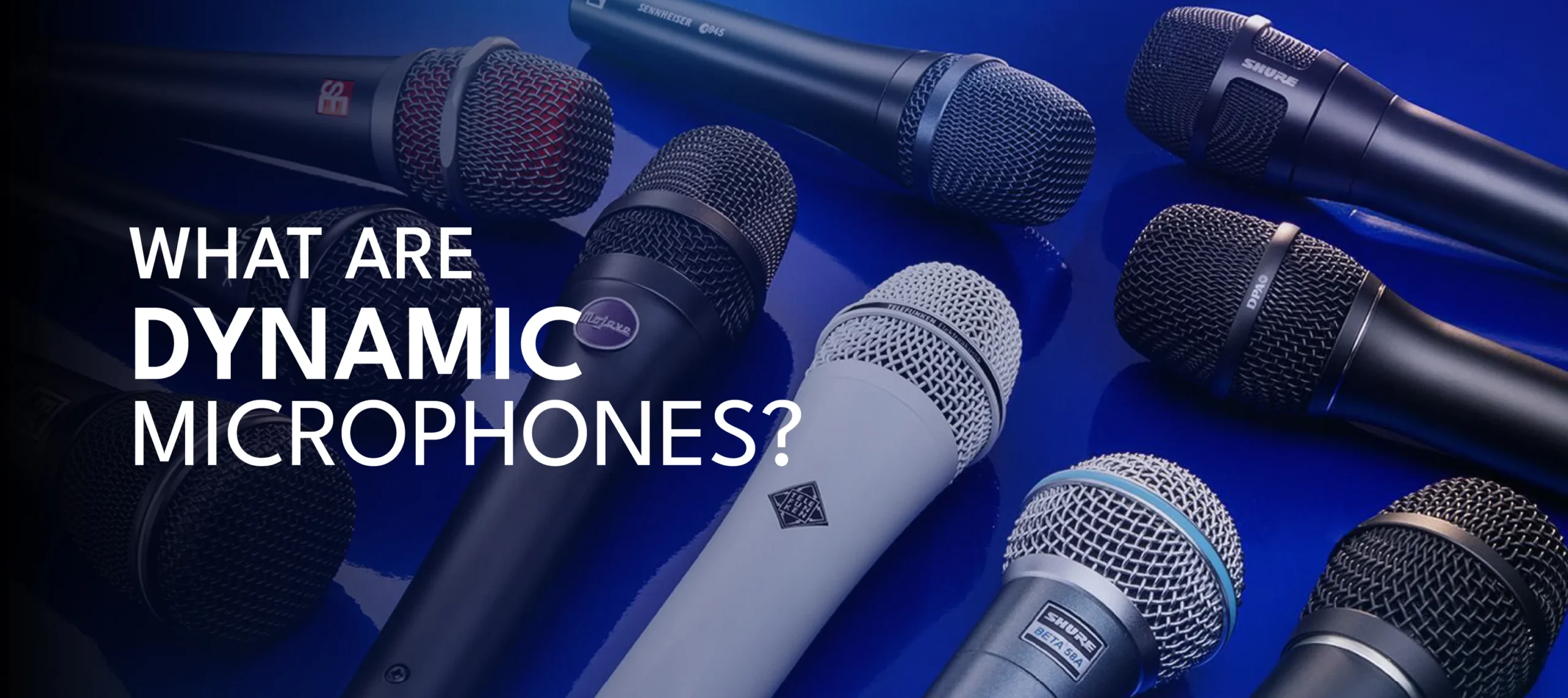
The microphone you used for a stage show, podcast, or public speaking was probably a dynamic transducer. These are the preferred options for public mics, broadcasters, vocalists, and podcasters. However, what are dynamic mic exactly, and why are they so common?
They are simple to use, robust, and reasonably priced. Even though they may not be as sensitive as others, this helps in noisy or uncertain situations.
According to industry statistics, dynamic microphones account for approximately 60% of mics used in live performances. They are cheap, lasting, and easy to use. Let's examine their dependability and compare it to alternative solutions, such as condenser microphones.
What Are Dynamic Microphones Used For?
Live performing mics are renowned for their robust construction and resilience in challenging environments. Therefore, they are favored in numerous circumstances:
Live events: Dynamic mics are ideal for concerts and outdoor performances. They are also excellent for church services. They manage large amounts without failing.
Tools: Stage mics are also known as moving-coil recording devices. They are excellent for recording drums, brass instruments, and electric guitars.
Voice work: Due to their warm, concentrated tone, moving-coil mics continue to deliver excellent voice quality, even as many podcasters opt for condenser mics.
Stage use: Many mics used in stage settings are dynamic since they are power-free and durable.
Additionally, they are ideal for harsh settings where equipment may be subjected to rough handling, such as large festivals or touring bands.
How Do The Microphones Operate?
Three major components make up dynamic microphones:
Diaphragm: When sound strikes it, a thin layer vibrates.
Coil: It travels inside a magnetic field and is connected to the diaphragm.
Magnet: The field that converts sound waves into an electrical signal.
We refer to this configuration as a moving-coil design. The moving coil produces a signal when the microphone diaphragm is moved by sound. Moreover, the voice is turned into audio in this way.
The ribbon recording device is an alternative that does not employ a coil but rather a thin metal strip. Ribbon mics are used more commonly in studios than on stage due to their smooth, vintage sound.
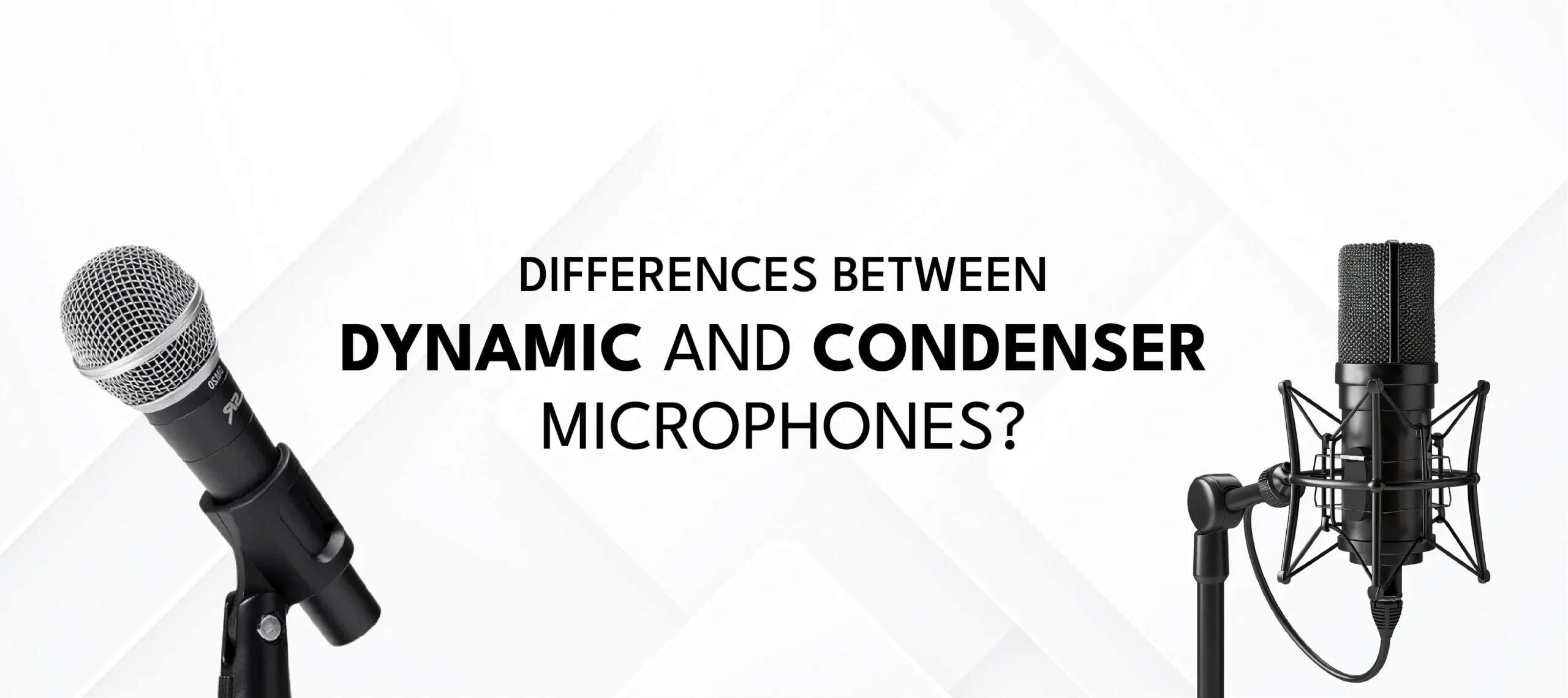
What Are The Key Differences Between Dynamic And Condenser Microphones?
The difference between dynamic and condenser mics lies in how they capture sound.
| Feature | Dynamic Microphones | Condenser Mics |
| Sensitivity | Lower, better for loud sources | More sensitive, suitable for subtle sounds |
| Power | No extra power needed | Needs phantom power or battery |
| Durability | Very strong and road-ready | More delicate |
| Best For | Gigs, drums, amps | Studio vocals, soft instruments |
| Price | Economical | Usually more expensive |
Capacitor microphones capture subtle nuances, such as string noise or whispering, by utilizing a charged plate arrangement. They work better in areas that are under control. Dynamic microphones, on the other hand, work better in erratic situations or when traveling.
Which are the most used Mics?
Here are a few of the best options available in the dynamic mic market:
The Shure SM58 offers dependable and good overall performance.
A popular device for mimicking guitar amps and snares is the Shure SM57.
Versatile for vocals and instruments, the Sennheiser e835
Top studios and venues continue to use these, which have been around for decades.
Selecting the Appropriate Mic for the Task
Choosing a transducer doesn't have to be a difficult task. Start by determining its purpose:
If you are working with loud noises or live or outdoor setups, use a dynamic mic.
For quiet, detailed recordings in studios or other quiet environments, use a condenser microphone.
Consider pickup patterns as well. While omnidirectional mics capture sound from all directions, cardioid mics filter out background noise by concentrating on the sound source in front of them.
At M-Source, we assist sound technicians, musicians, and content producers in locating the appropriate equipment for their work. We have reliable equipment and expert guidance, whether you're renovating a studio or preparing for a live performance.

Putting Dynamic Mics in Real World Applications
A 2023 result found that stage mics were used at more than 75% of live events in North America. That demonstrates the extent to which experts rely on these transducers in high-pressure situations.
They are cheap and very simple to use. They require little setup, and people are also bringing them into their home studios.
Remember that they are designed to last longer. Even as audio equipment advances, a good dynamic microphone remains a wise long-term investment, as it can last for years to come.
Conclusion
What distinguishes dynamic microphones, then? They are easy to use, strong, and prepared to go when you are. They won't disappoint you whether you're working a live event, behind a podcast mic, or on stage.
Indeed, they might not be able to capture every minute detail like a condenser broadcast mic. But for the majority of needs? They perform the task effectively and without any bother.
Do you need dependable audio gear? M-Source offers the mics, add-ons, and guidance with no noise, only outcomes.