Types of Healthcare in PPE

If you like watching medical shows like the famous one Grey’s Anatomy and The Good Doctor, or have visited a hospital, you've probably seen how they are dressed in different outfits, masks, gloves, and full body suits. Those aren't just any dresses, they are the most important gear called PPE (Personal Protective Equipment). In healthcare, these suits and other gear are super important because they protect both the patients and the doctors themselves. Getting the right healthcare in PPE is not a luxury but a necessity, because prevention is better than the cure.
In this simple guide, we break down everything about this life-saving healthcare protective equipment. We’ll examine what it is, the various types you encounter, why using it correctly is crucial, and who is responsible for ensuring it’s always available. It's time to take a super close look at the world of protective gear that keeps our medical heroes safe while they’re busy helping us.
H2 What is Healthcare in PPE?
Let's keep it super easy. PPE stands for Personal Protective Equipment.
Imagine you are trying to stop water from splashing on you. You would wear a rain jacket. That jacket is your PPE. In healthcare, the "splashes" are invisible germs, bacteria, and viruses that can float in the air or live on surfaces.
So, what is Healthcare in PPE? It’s basically any gear worn to create a physical wall between a healthcare worker and potential infection or injury. When people ask what is PPE in medical terms, it refers to the specialized barriers used to prevent the transmission of microorganisms. This essential PPE protection equipment helps stop the spread of sickness from one person to another. It protects the nurse or doctor from the patient, and, just as importantly, it protects other patients (and the worker’s family) from any germs the worker might be carrying.
Using this safety gear is the foundation of safely working in any medical setting. If you don't use it, you break the wall, and the germs can jump right over.
H2 Types of PPE in Healthcare
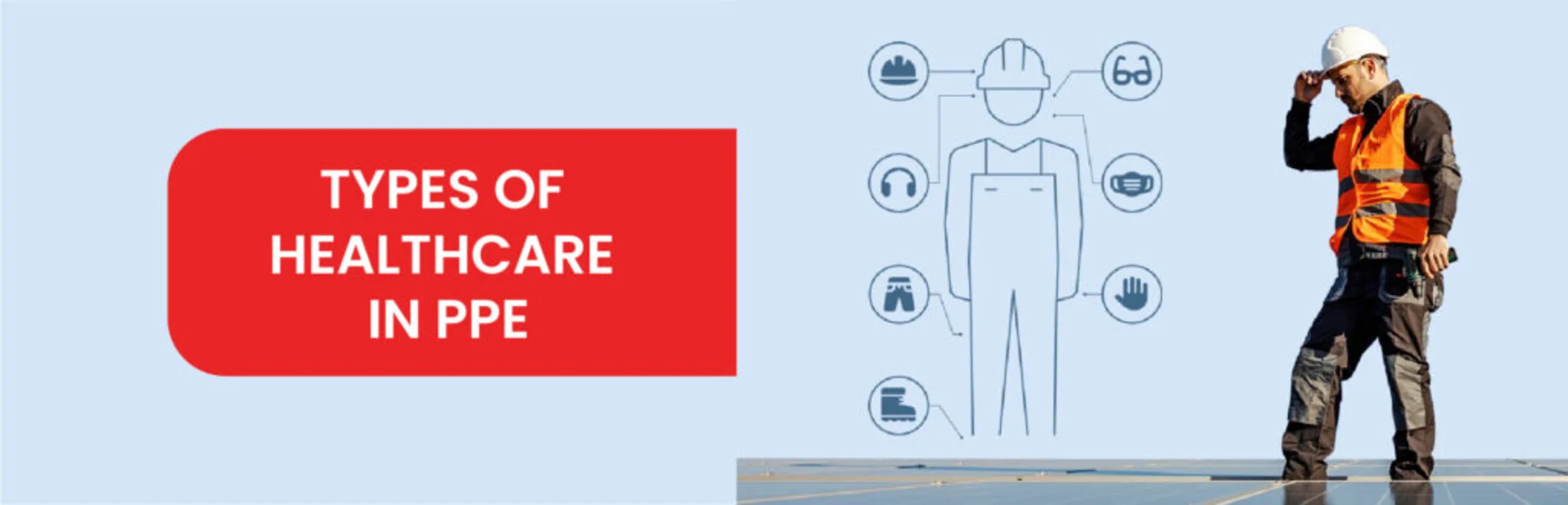
When people discuss the types of PPE in healthcare, they aren't referring to just any types of ppe in healthcare. It’s a whole collection of different pieces, each designed to guard a specific part of your body. Think of it like a sports uniform where different pads protect other areas.
Here are the main types of medical PPE you’ll see in any medical setting:
1. Gloves
Gloves are the simplest and most common type of PPE.
- What they do: They protect your hands from touching infected surfaces, blood, or body fluids. They act as a second skin that can be thrown away immediately.
- Key thing to remember: You must change gloves between tasks and patients! Wearing the same pair of gloves all day is like covering your hands in paint and then touching everything, you’re just spreading the mess!
2. Gowns or Aprons
A gown is like a disposable uniform you wear over your clothes.
- What they do: They protect your clothes and skin (from the neck down to the knees) from splashes and sprays. Depending on the risk, gowns can be simple, fluid-resistant, or thick, impermeable suits.
- The different kinds: A basic gown is delicate for a quick, non-messy check-up. If the work is "splashy" (like surgery), you need a heavy-duty, waterproof gown. These are standard types of PPE in hospital settings during sterile procedures.
3. Masks and Respirators
These cover your mouth and nose, the easiest ways for germs to enter or exit your body.
- Surgical Masks: These are the loose-fitting, flat masks. They are mainly designed to protect against the transmission and inhalation of germs released by the wearer (such as a doctor coughing) and prevent large droplets from entering.
- Respirators (like N95 or FFP2/FFP3): These are tighter and thicker. They filter tiny particles (aerosols) from the air. The "N95" means it filters out at least 95% of airborne particles. These are used when dealing with diseases that can remain airborne for a long time.
4. Eye and Face Protection (Goggles and Face Shields)
Your eyes are super sensitive entry points for germs.
- What they do: Goggles or face shields protect the eyes, nose, and mouth from splashes of blood or other fluids. A simple pair of glasses is not enough, as germs can fly around the sides. Goggles must seal tightly around the eyes, and a face shield must cover the entire face. This completes the list often referred to as the 5 types of PPE in healthcare when combined with the items above.
H2 The Huge Pros and Scary Cons
But what happens when the gear isn't used or isn't available?
| The Great Pros (Why We Use It) | The Scary Cons (Why Not Using It Sucks) |
| Saves Lives: It breaks the chain of infection, protecting you, your patient, and your family. | High Infection Risk: For workers, limited access to PPE can mean a 2.2 to 22 times higher risk of contracting the illness they are trying to prevent. |
| Boosts Confidence: Knowing you have the proper protection lets you focus on helping the patient, rather than worrying about your own safety. | Increased Illness Severity: Not having adequate protection means you might breathe in a larger "dose" of germs, leading to a much more severe or more prolonged illness. |
| Prevents Outbreaks: Proper use stops a local case from becoming a massive outbreak in the hospital or the community. | Community Spread: If a worker becomes ill, they can spread the disease to their family and community. |
H2 How to Use Them? (The Right Way to Wear PPE)
It's not enough to just have the gear; you need to know precisely how to use it. This process is referred to as "donning" (putting on) and "doffing" (taking off). Taking off the gear is actually the riskiest part because the outside of the PPE is now covered in germs! Understanding what is ppe in healthcare protocols is vital for these steps.
Getting good at wearing PPE is all about following a checklist every single time. Here is the super simplified order:
How to Put It On (Donning)
- Wash Your Hands: Use soap and water or hand sanitizer. This is always step one.
- Put on the Gown: Tie it tightly around your back. This protects your body first.
- Put on the Mask/Respirator: If it’s an N95, make sure it seals perfectly around your nose and chin (no gaps!).
- Put on Eye Protection: Wear goggles or a face shield over your mask.
- Put on Gloves: Pull the cuffs of the gloves over the cuffs of the gown, so the gown is completely covered.
How to Take It Off (Doffing)
This must be done slowly, treating everything as if it were contaminated.
- Remove Gloves and Gown: Peel the gown and gloves off together. Roll the contaminated outer surface inward to form a ball of trash. Throw this into the designated bin immediately.
- Wash Your Hands: Stop and wash your hands.
- Remove Eye Protection: Carefully lift the face shield or goggles using the clean headband or earpiece. Do not touch the front.
- Remove Mask: Use the straps or elastic bands to gently pull the mask off (again, avoid touching the front).
- Wash Your Hands (Final Time!): This last step is crucial before touching anything else.
H2 Who Is Responsible for Providing?
This is where the significant responsibility lies. It’s not the individual doctor or nurse’s job to buy their own shields and gowns.
In every healthcare setting, the employer, the hospital, clinic, or facility is legally and morally responsible for making sure the right Healthcare in PPE is available. They have to do three things:
- Provide it: They must purchase and stock enough of the right gear for the jobs being done.
- Train Workers: They must train everyone on how to use the PPE correctly (donning and doffing).
- Make Policies: They must create clear rules about when, where, and what specific gear needs to be worn.
Everyone in healthcare needs the right safety gear 100% of the time. If they don't, they're at risk. Most staff (80 to 85 out of 100) say they use their gear correctly, but we need to reach perfect. The issue? Often, there just isn't enough equipment. It’s bad that over 35 out of every 100 workers felt they didn't have enough supplies. Hospital leaders need to fix this right away and make sure every person has their full protective outfit ready to go.
H3 Conclusion
Personal Protective Equipment is the hidden hero of the medical ppe world. From simple gloves to high-tech N95 respirators, each piece plays a vital role in keeping our caregivers safe so they can, in turn, keep us safe.
We've provided a quick overview of types of healthcare in PPE, understood the significant benefits, and learned why the simple act of PPE wearing correctly is so important.
The bottom line is that the safety of our healthcare providers relies on proper equipment, proper training, and the unwavering commitment of their employers to provide it. When everyone understands the value of Healthcare in PPE, we all win the fight against sickness.