FDA: Why Adhesives are used in Indirect Food Contact Applications?
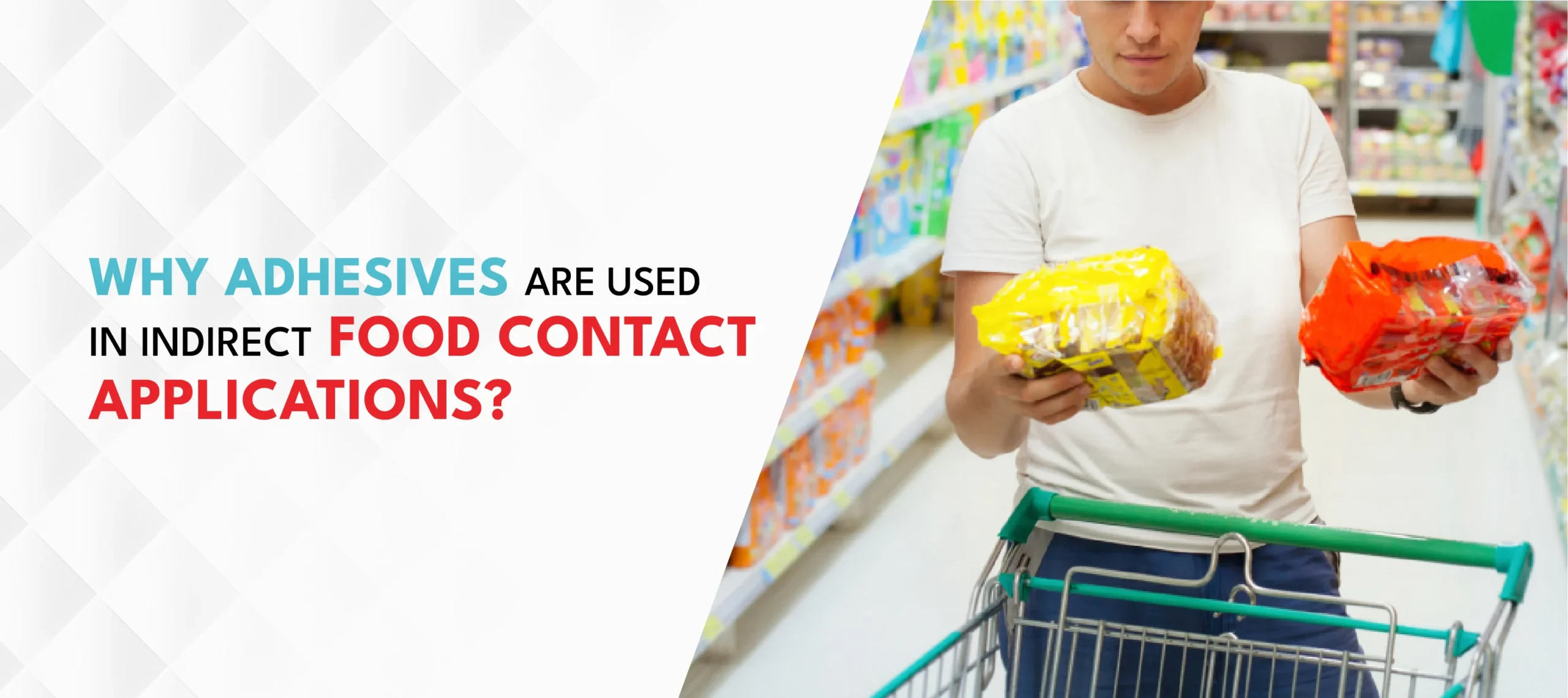
You may come across a product that is held together by food-safe adhesives when you open a sealed deli container or unwrap a snack bar. When you think of food packaging, adhesives may not be the first thing that comes to mind. Still, they are essential to maintaining the safety, freshness, and integrity of our food during transportation and storage.
At M-Source, we understand the importance of choosing materials that are safe, effective, and compliant. We're exploring the role of FDA-regulated adhesives in indirect food contact adhesives, their safety, and how producers can ensure food-grade performance without compromising quality.
Common Applications of Food-Safe Adhesives:
Let's look into some actual food-safe applications:
a. Snack Packaging: To protect contents and preserve freshness, wrappers frequently use lamination adhesives for food wrappers.
b. Deli Packs and Bakery Trays: Heat-proof adhesives that endure temperature changes are used to create secure seals.
c. Labeling: Brand labels are securely adhered to the product without damaging it or leaving hazardous residue behind, thanks to pressure-sensitive adhesives.
d. Carton Sealing: Many folding cartons for frozen foods and cereals utilize water-based or hot-melt adhesives that adhere to regulations regarding indirect food contact.
For food packaging, each of these applications relies on adhesives that meet food safety standards.
Why Are Adhesives Used in Food Packaging?
Almost every aspect of food packaging utilizes adhesives, from laminating films to bonding labels and sealing bags. Specifically, food packaging adhesive solutions are crucial for preserving shelf life, reducing spoilage, and maintaining the structural integrity of products.
Through the use of multi-layer materials, they promote brand aesthetics, allow for lightweight packaging, and provide design flexibility. Food-safe adhesives help keep food intact from production to consumption, whether used in cereal box flaps, snack wrappers, or beverage labels.
Is Adhesive Safe for Food Packaging?
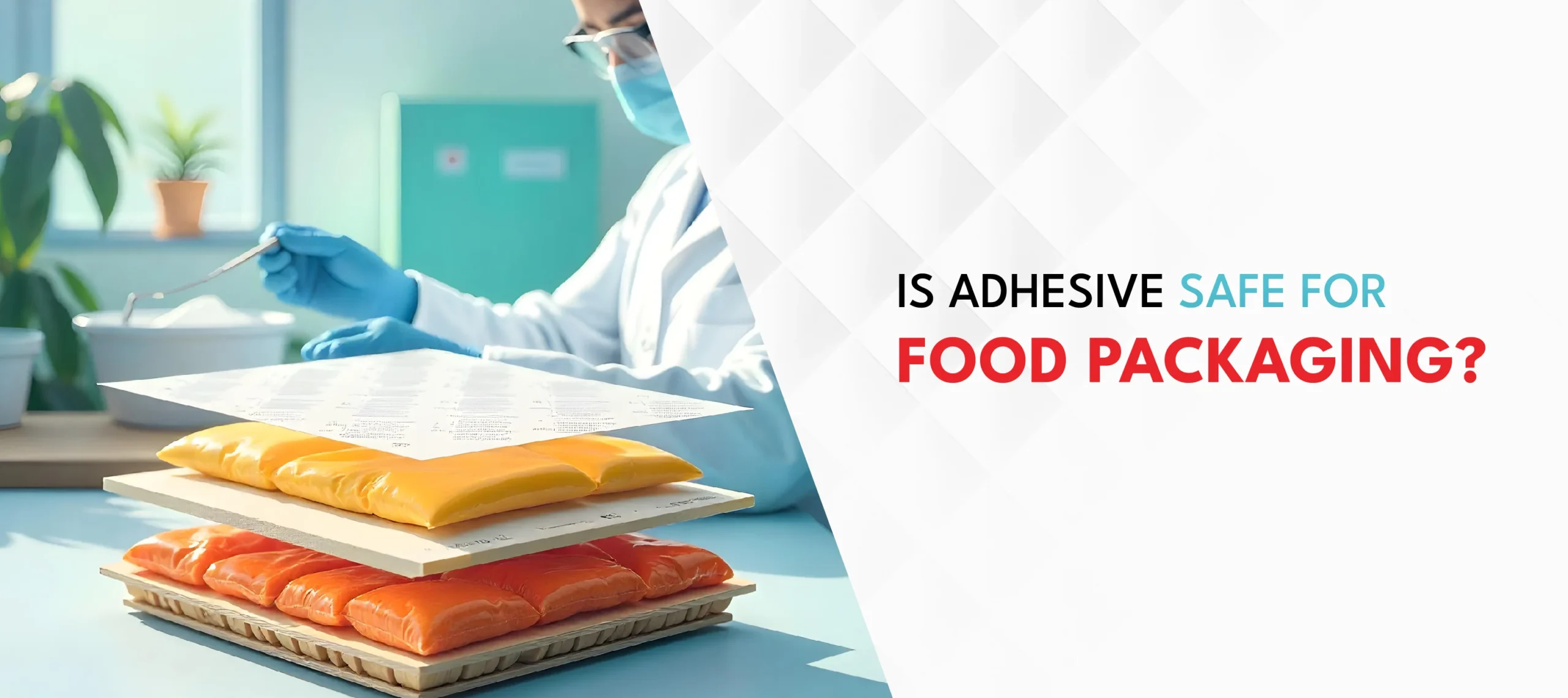
Yes, provided it's the appropriate kind. The Food and Drug Administration has strict regulations for adhesives used near food, particularly for indirect food contact adhesives—adhesives that are separated from the food by a barrier layer, such as foil or plastic, rather than coming into direct contact with it.
These adhesives must be made with ingredients that are either approved or widely accepted as safe, per FDA 21 CFR 175.105. To put it another way, FDA-approved adhesives for food packaging must pass tests for thermal resistance and chemical migration. These tests guarantee that no dangerous materials seep into the food, even when it is heated or stored.
How Adhesives Work in Food Applications:
To create strong bonds that are resistant to heat, oxygen, and moisture, adhesives are typically layered between films, papers, or foils in packaging setups. These adhesives are particularly crucial for products whose packaging must tolerate high or low temperatures, such as microwaveable wraps or frozen meals.
Food-grade bonding agents support flexible and long-lasting packaging by creating a robust internal seal, ensuring a secure bond. Selecting adhesives that meet health and safety standards for indirect food-safe adhesives while maintaining dependable performance is crucial.
Types of Food Packaging Adhesives:
Glues for food packaging come in a variety of forms, each intended to satisfy particular manufacturing and legal requirements:
a. Hot Melt Adhesives: Ideal for quickly sealing wrappers and cartons, and can be manufactured to meet FDA specifications.
b. Water-Based Adhesives: These eco-friendly and low-toxicity adhesives are frequently found in cardboard and paper labels.
c. Solvent-Based Adhesives: Best performance requirements can be met, but compliance requires careful formulation.
d. Lamination Adhesives for Food Wrappers: It is designed explicitly for multi-layer film packaging, providing protective barriers for baked goods, chips, and snacks.
Every adhesive variety contributes differently to maintaining product quality and ensuring consumer safety.
Benefits of Using Adhesives in Indirect Food Contact:
There are several benefits to using indirect food contact adhesives in the production and packaging of food:
a. Observance of Safety Standards: To ensure that no hazardous materials enter the food, only FDA-approved food packaging adhesives are used.
b. High Performance in a Variety of Conditions: The adhesives maintain their strength whether they are frozen, refrigerated, or microwaved.
c. Customization and Versatility: Adaptable adhesive technologies enable more imaginative and functional packaging designs.
d. Production Efficiency: Adhesives enhance the speed of production lines while reducing their reliance on machinery.
Ultimately, using food safe super glue for food packaging ensures improved product quality, fosters consumer trust, and promotes regulatory compliance.
What Adhesives Are Food Safe?
Not all glues are suitable for use in food. Food-safe adhesives must meet Food and Drug Administration regulations to be eligible, particularly in terms of chemical composition and migration risk.
Usually, qualifying adhesives are:
- Devoid of hazardous solvents and heavy metals
- stable in the presence of moisture and heat during packaging
- Certified and tested for indirect contact with food
To know completely the safety of adhesives, manufacturers should always request compliance documents and certifications. M-Source offers a variety of food packaging adhesive solutions that meet the industry requirements and yield consistent results.
Indirect vs Direct Food Contact Adhesives:
It's critical to comprehend how direct and indirect food-safe adhesives differ from one another:
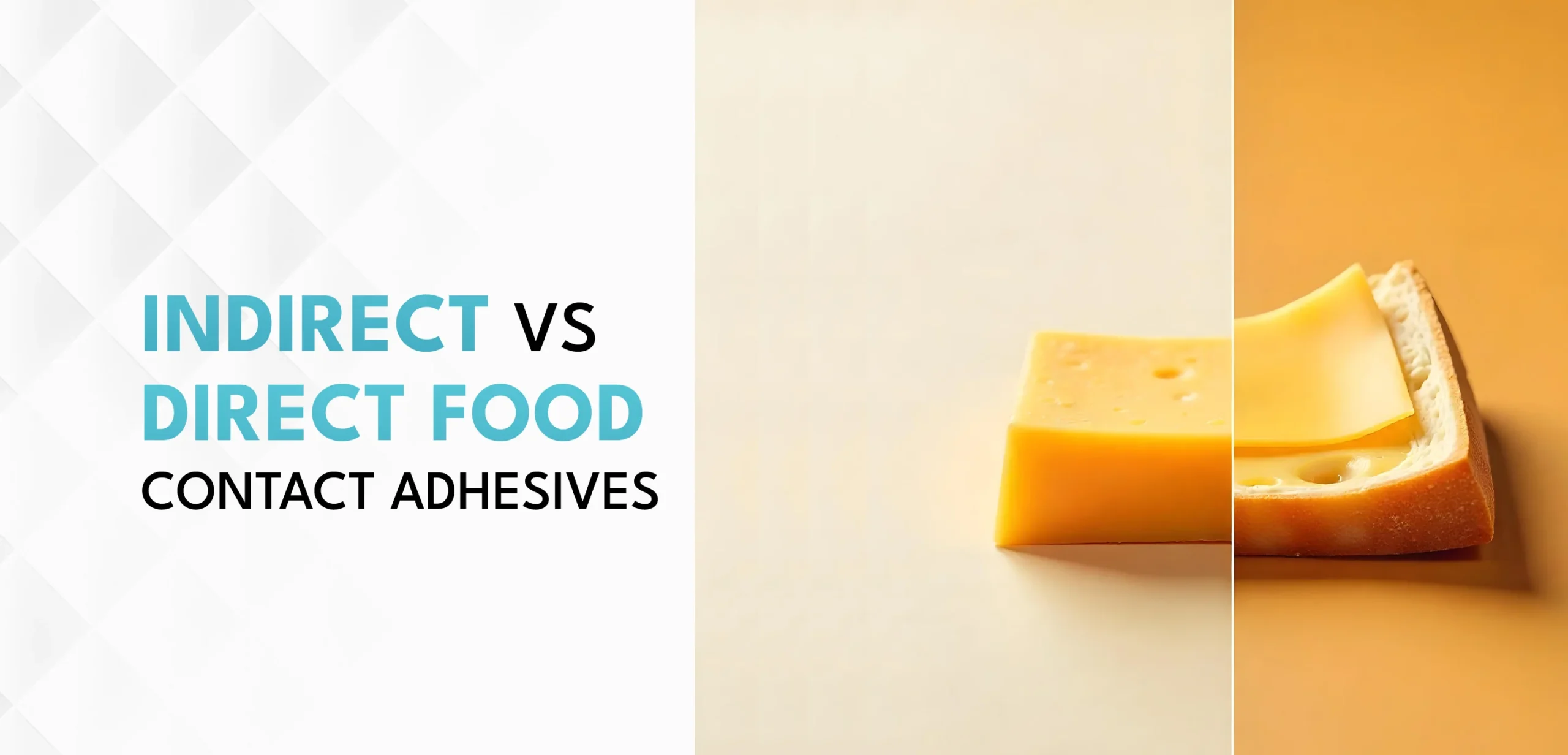
a. Direct Food Contact Adhesives: These adhesives come into direct contact with food, which is uncommon in the industry due to the increased risk and more stringent testing requirements. Edible glue on decorations or fda approved glue for direct food contact inside a lollipop stick are two examples.
b. Indirect Food Contact Adhesives: These are widely used in multilayer packaging, where a barrier separates the food from the adhesive. The materials must still meet the safety requirements of the Food and Drug Administration.
Even indirect applications are strictly controlled because migration from the adhesive can still happen through layers. Only FDA-approved adhesives in food packaging should be used for this reason.
Navigating FDA Compliance: What You Need to Know:
To maintain compliance, double sided food grade adhesive manufacturer need to:
- Select the adhesives specified in 21 CFR 175.105 of the Food and Drug Administration.
- Make sure a functional barrier separates the food and adhesive.
- Where appropriate, confirm the results of the migration test.
- Keep thorough records for regulatory audits.
You can obtain high-quality adhesives that are also approved for use in food packaging when you source them from reliable vendors like M-Source. We ensure that your materials meet all current compliance requirements, from food-grade bonding agents to specialized lamination for food-safe adhesive wrappers.
Conclusion:
Food-safe adhesives are the unsung heroes of food packaging; they are more than just sticky materials. They are essential in safeguarding goods and customers by facilitating safe seals, encouraging innovative design, and adhering to FDA regulations for indirect food contact adhesives. Selecting the appropriate adhesive partner is more important than ever, given the evolving nature of food safety laws.
Need certified food-safe applications? Shop trusted FDA-compliant solutions at M-Source.