3M Respirator Selection Guide: Finding the Right Protection for the Job

Working in a commercial or industrial environment often means dealing with dust, fumes, vapors, and gases. Choosing the right piece of safety equipment is the most important step in protecting your health. This 3M Respirator Selection Guide helps simplify the process, ensuring you match the correct protective gear to your specific job conditions.
When choosing a respirator for your job, you must prioritize both comfort and the specific level of filtration required for the chemicals present. Respiratory safety isn't a one-size-fits-all solution. Every task requires careful consideration of the hazard and the level of risk. Your protection level is often defined by the 3M Assigned Protection Factor (APF), which is a number telling you how much the respirator can reduce your exposure to contaminants. Always consult your company's safety expert to confirm the required APF before starting any job.
Understanding 3M Respirator Types
The first step in 3M PPE respiratory protection is knowing which mask style is best for your work. Different 3M respirator types are designed for different jobs, and this 3M respirators guide highlights the most common options:
- Disposable Respirators (e.g., N95, P100): These are lightweight, maintenance-free masks used for protection against solid particles, such as dust from sanding, grinding, or insulation work. They are best for non-oil environments (N-series) or both oil and non-oil environments (P-series).
- Best for: Light duty cleaning, general maintenance, dry sanding
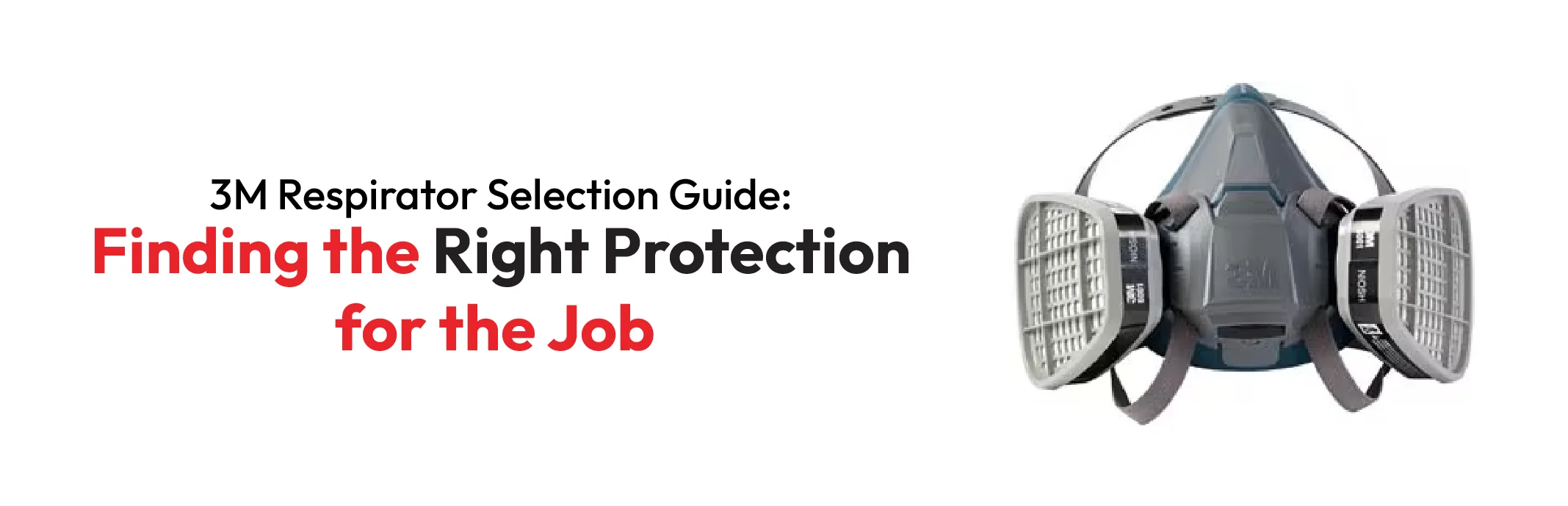
- Reusable Half Facepiece Respirators (e.g., 3M 6000 or 7500 Series): These masks are made of soft silicone or rubber and cover the nose and mouth. They are cost-effective because you only replace the filters and cartridges. These masks are the first level of 3M reusable respirator selection for heavier duties.
- Best for: Painting, chemical mixing, welding, or handling toxic cleaning products where eye protection is also needed.
- Reusable Full Facepiece Respirators: These offer higher protection and include a face shield, covering the eyes, nose, and mouth. They provide extra defense against eye irritation from fumes or splashes.
- Best for: Handling very hazardous chemicals, spraying paint, or jobs requiring a higher APF.
- Powered Air-Purifying Respirators (PAPRs): These battery-powered systems blow filtered air into a hood or facepiece. They are highly comfortable and provide the highest levels of safety (high APF).
- Best for: Extended work shifts in highly contaminated areas (e.g., abatement, heavy chemical processing).
The 3M Respirator Filters Guide
Once you pick the right mask style, you need the correct cartridge or filter for the hazard. The 3M respirator filters guide separates protection into two main types:
- Particulate Filters: Used for physical particles like dust, mist, and fumes. Look for the P-series (P95, P100/HEPA), which are rated for both oil and non-oil-based hazards. P100 has the highest particulate rating and is marked by the magenta color.
- Chemical Cartridges: These are used for gases and vapors. These cartridges have activated charcoal to absorb contaminants. They are color-coded; for example, yellow is for organic vapor or acid gas, and olive is for multi-gas. You must consult a 3M respirator cartridge selection guide to ensure you choose the specific cartridge designed for the chemical you are using.
Ensuring Compatibility with Other Safety Gear
A respirator doesn't work alone. It’s important to check the 3M respirator compatibility with other ppe. All 3M personal protective equipment is designed to work together, but fit is essential. Half face respirators must fit securely under safety glasses or goggles, while full face respirators must seal properly against the face without interference from facial hair. When choosing your respiratory gear, make sure all your safety items hard hats, face shields, and eyewear fit together without breaking the seal of the mask.
Conclusion
Using the right 3M respirator selection guide is essential for your long-term health. By understanding the different types of 3M respirators, choosing the correct filter based on the 3M assigned protection factor, and checking for compatibility with other PPE, you can make sure your protection is reliable. Always remember that the best respiratory protection comes from a combination of the right gear and proper training.
M-Source is an authorized distributor of 3M products. Contact us today for assistance in building a complete 3M PPE respiratory protection program tailored to your industry needs.