

The Proper Use Of PPE Helps Prevent Workplace Injuries
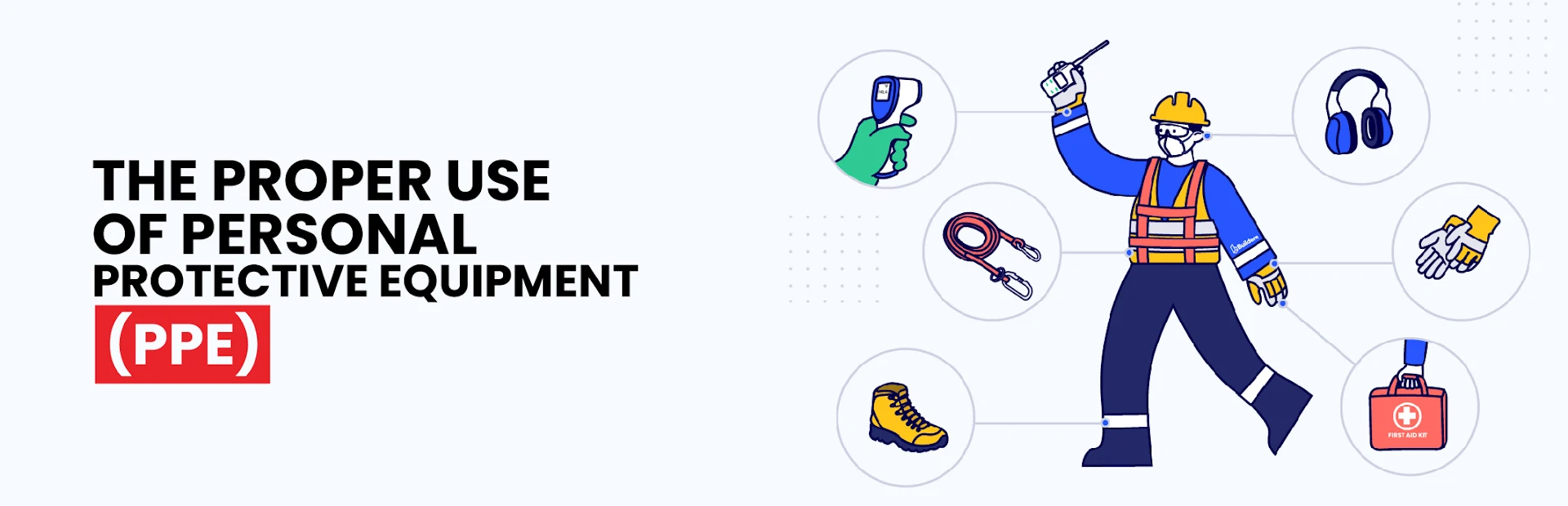
You know safety comes first, and the proper use of personal protective equipment (ppe) helps prevent workplace injuries. It can make sure the safety of the employees when used properly, and it should be used in proper way. It doesn't count as a luxury but a necessity that every individual gives attention to. Using the safety equipment properly means you're making sure that no matter what work you do, you will be saved from a serious situation, whether you're on a construction site, in a manufacturing facility, or in a hospital ward.
Accidents occur far too frequently as a result of people wearing their equipment incorrectly or not wearing it at all. Even a minor error can have long-term consequences in high-risk situations. PPE must therefore be a daily priority for both employers and employees.
Why the Use of Personal Protective Equipment is Important
Wearing gloves or a helmet is only one aspect of wearing personal protective equipment. It involves determining which equipment is necessary for a given task, ensuring that it fits correctly, and wearing it as needed. Using personal protective equipment (PPE) correctly is essential to preventing workplace injuries that can occur in a matter of seconds but have lasting consequences.
Hazards in sectors such as manufacturing, healthcare, and construction can originate from a variety of sources, including falling objects, hazardous chemicals, sharp tools, loud noises, and airborne particles. By creating a barrier between the worker's body and these hazards, personal protective equipment prevent ppe injuries.
Chemical burns can be prevented by a worker wearing the proper gloves. A head injury that could change your life can be avoided with a helmet. Wearing safety glasses can prevent blindness from a small metal fragment. Every piece of PPE has a specific purpose, and neglecting any of them can make a routine task risky.
Typical PPE Types in the Workplace
Different types of protection are needed for other jobs. Knowing the variety of equipment available ensures the proper use of PPE in every circumstance:
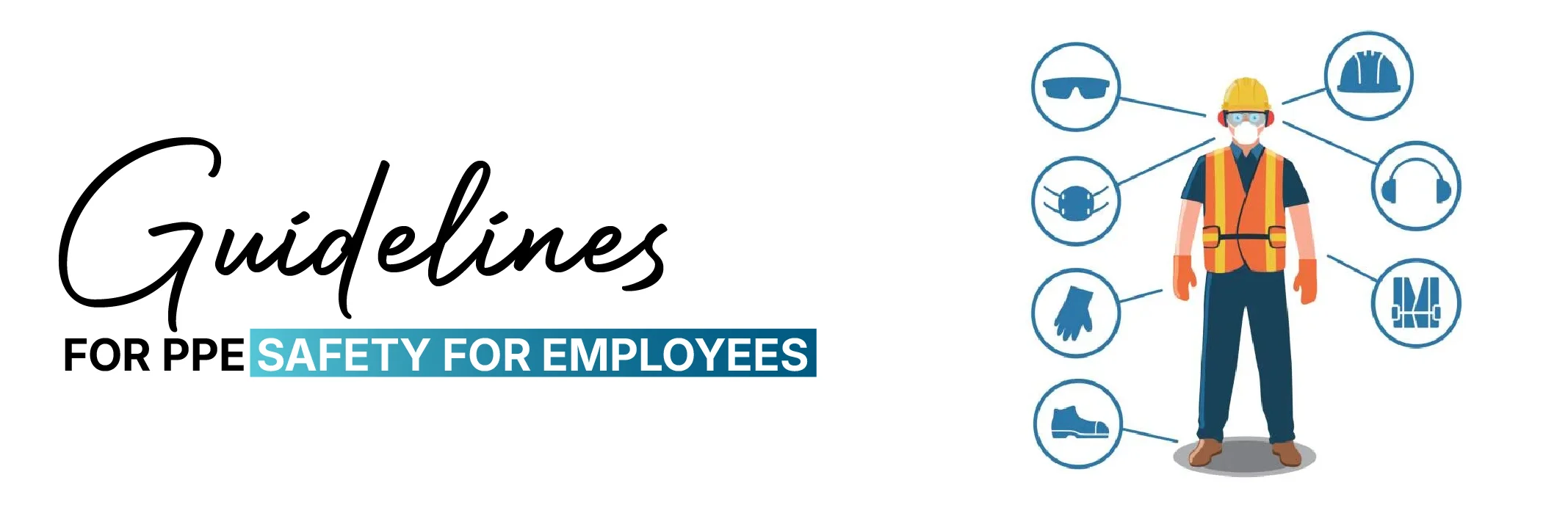
Head Protection: In factories and construction areas, hard hats protect from falling objects and bumps.
Eye and Face Protection: Goggles, safety glasses, or face shields protect against flying sparks, debris, and dangerous liquids.
Hearing Protection: Employees in noisy settings, such as factories or airports, are protected by the use of earplugs and earmuffs.
Respiratory Protection: Respirators and masks filter out dangerous dust, fumes, and chemicals.
Hand Protection: Gloves shield the hands from chemicals, cuts, burns, and extreme temperatures.
Foot Protection: Slip-resistant shoes and steel-toe boots help shield feet from slick surfaces and heavy objects.
Body Protection: In high-risk situations, safety and visibility are provided by high-visibility vests, coveralls, or resistant to flame apparel.
Each piece of equipment has a distinct function in Workplace injury prevention. The initial move to safety is selecting the appropriate one for the task.
Guidelines for PPE Safety for Employees
Workers will benefit fully from protective gear if PPE safety guidelines are followed. Here are a few crucial actions:
Select the proper equipment and use PPE specifically designed for the risks associated with your line of work. For instance, healthcare personnel require masks and gloves, while construction workers might require helmets.
Make sure the PPE fits properly. Tight or loose PPE can be uncomfortable and less protective.
Examine for wear, damage, or flaws before using. Never use damaged equipment.
When necessary, always wear personal protective equipment (PPE). If you neglect protection, even simple tasks can result in mishaps.
Participate in workplace training programs to learn how to properly use personal protective equipment.
Properly maintain and store PPE by cleaning it after each use and storing it in a dry, secure location.
The secret is consistency. One unprotected moment can result in an accident, so wearing PPE "most of the time" is insufficient.
Benefits of Wearing PPE at Work
Going to work wearing PPE has its advantages because it serves as the safety gear that shields you from workplace accidents. It also decreases the downfalls in productivity because when there will be less accidents, the workers will be able to give their full potential without worrying about their lives.
A culture of safety is promoted at work by staff members who follow PPE use guidelines and act as role models. Long-term workers are committed to prevent workplace injuries, and because of this culture, new hires quickly follow suit.
Industry-Specific PPE Requirements
Industry-Specific PPE Needs
PPE requirements vary depending on the risks in each industry:
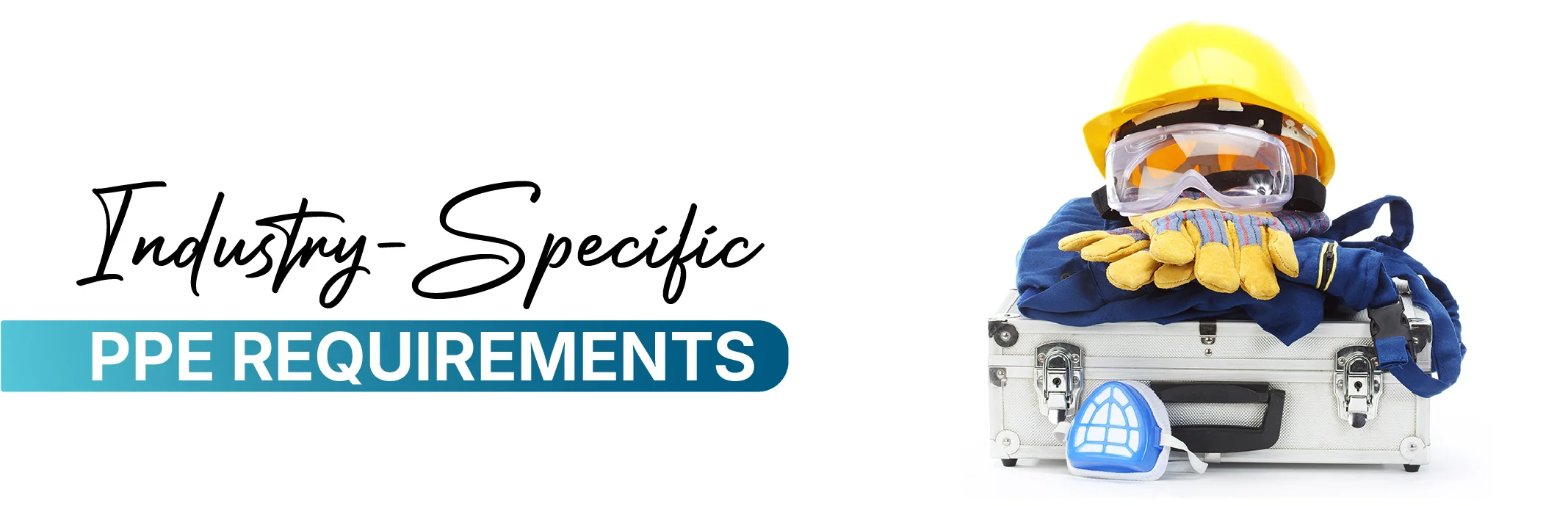
Construction: Common personal protective equipment (PPE) for construction workers includes steel-toe boots, hard hats, gloves, and safety glasses. They offer protection from falling tools, heavy machinery, and sharp objects.
Manufacturing: PPE in the manufacturing industry may include respirators, hearing protection, and protective clothing to protect against noise, chemicals, and equipment in factories.
Healthcare: Gloves, masks, gowns, and face shields are provided by healthcare PPE safety protocols to reduce exposure to infectious diseases.
Industrial Environments: Industrial workplace safety gear includes flame-resistant clothing, gloves that can withstand chemical exposure, and specialized breathing apparatuses for use in hazardous environments.
Selecting personal protective equipment (PPE) that meets industrial standards is essential for correct PPE usage to prevent injuries.
Safety Training for PPE Compliance
If employees don't know how to use their safety gear, even the best equipment is worthless. Safety training is therefore crucial for PPE compliance. Training ought to include:
- Recognizing risks at work.
- Choosing the appropriate use of Personal Protective Equipment for every work.
- Displaying appropriate wear and modification.
- PPE upkeep and cleaning.
- Being aware of when to replace outdated or faulty equipment is crucial.
Practical experience is particularly crucial. Instead of merely hearing about their PPE, workers retain information better when they can see, feel, and test it. High compliance rates are maintained with the use of frequent refreshers.
Typical Errors in the Use of PPE
When equipment is used incorrectly or the use of PPE is neglected, many accidents occur. Common errors include wearing damaged equipment, using the incorrect type, or omitting it for short-term tasks. Employers can assist by ensuring PPE is comfortable and worn correctly.
PPE for Emergencies
The use of Personal Protective Equipment is crucial in emergencies, such as fires, chemical spills, or equipment failures. PPE can save lives if it is easily accessible and properly put on.
PPE distribution locations, clear instructions, and drills should all be part of emergency response plans, enabling employees to respond quickly and effectively.
How M-Source Assists with PPE Requirements
At M-Source, we recognize that the use of PPE in the workplace helps keep employees safe. We provide robust, dependable equipment for healthcare, manufacturing, and PPE for construction workers. Crews can work with confidence because every item satisfies safety standards
Conclusion
One easy way to keep employees safe is the use of personal protective equipment. Each product, from coats to masks, gloves, and helmets, is for the security of workers and the workplace. Business owners can always ensure the safety of their employees by using PPE safety products for their workers, which will make sure they are always safe in harsh conditions.
Select M-Source for dependable PPE solutions to keep your staff safe.